SUIDEN House

SUIDEN House
SUIDEN House
Living with the Rice Field Landscape through Architecture and Garden
建築と庭がつなぐ、水田風景の暮らし
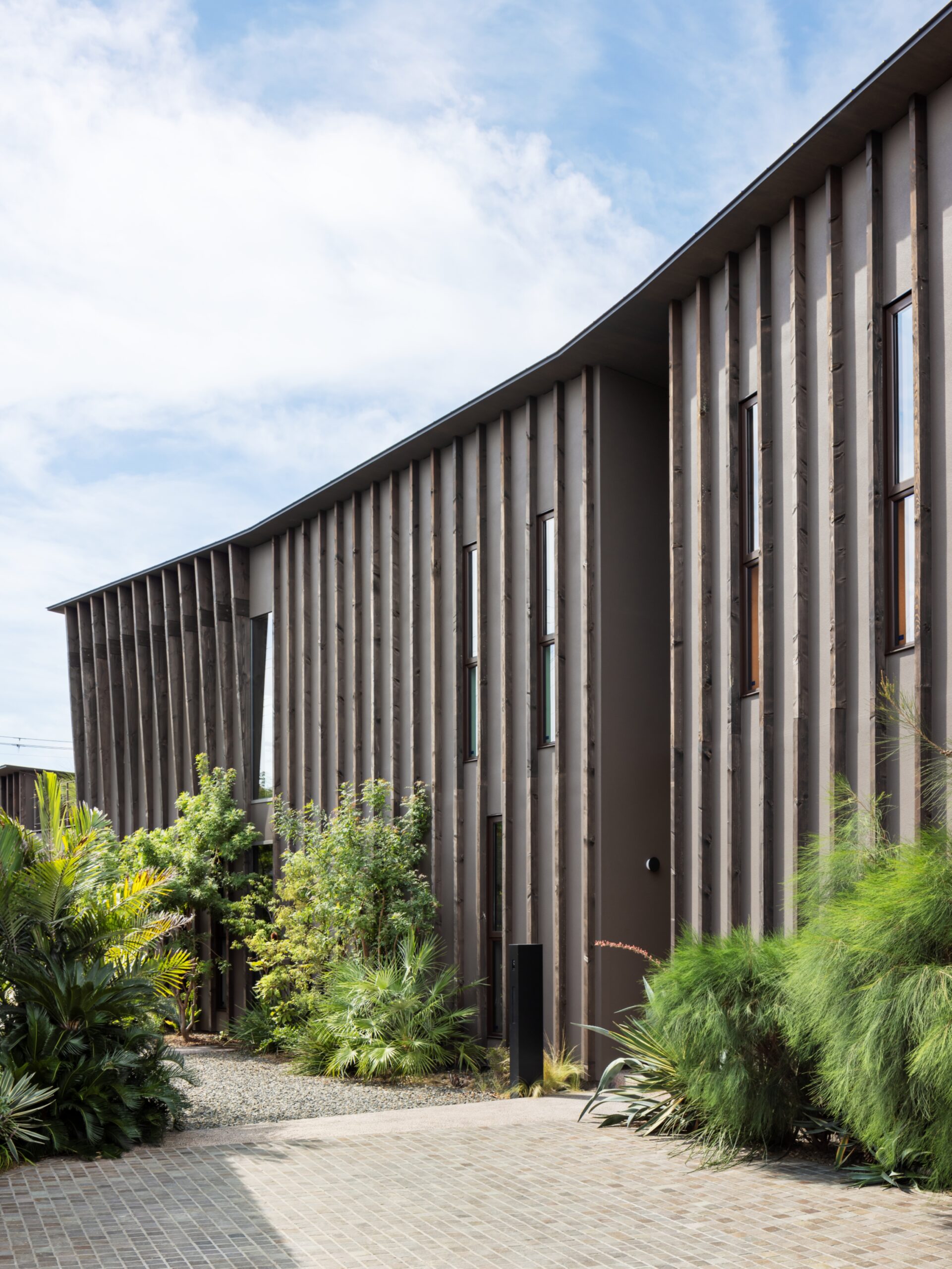
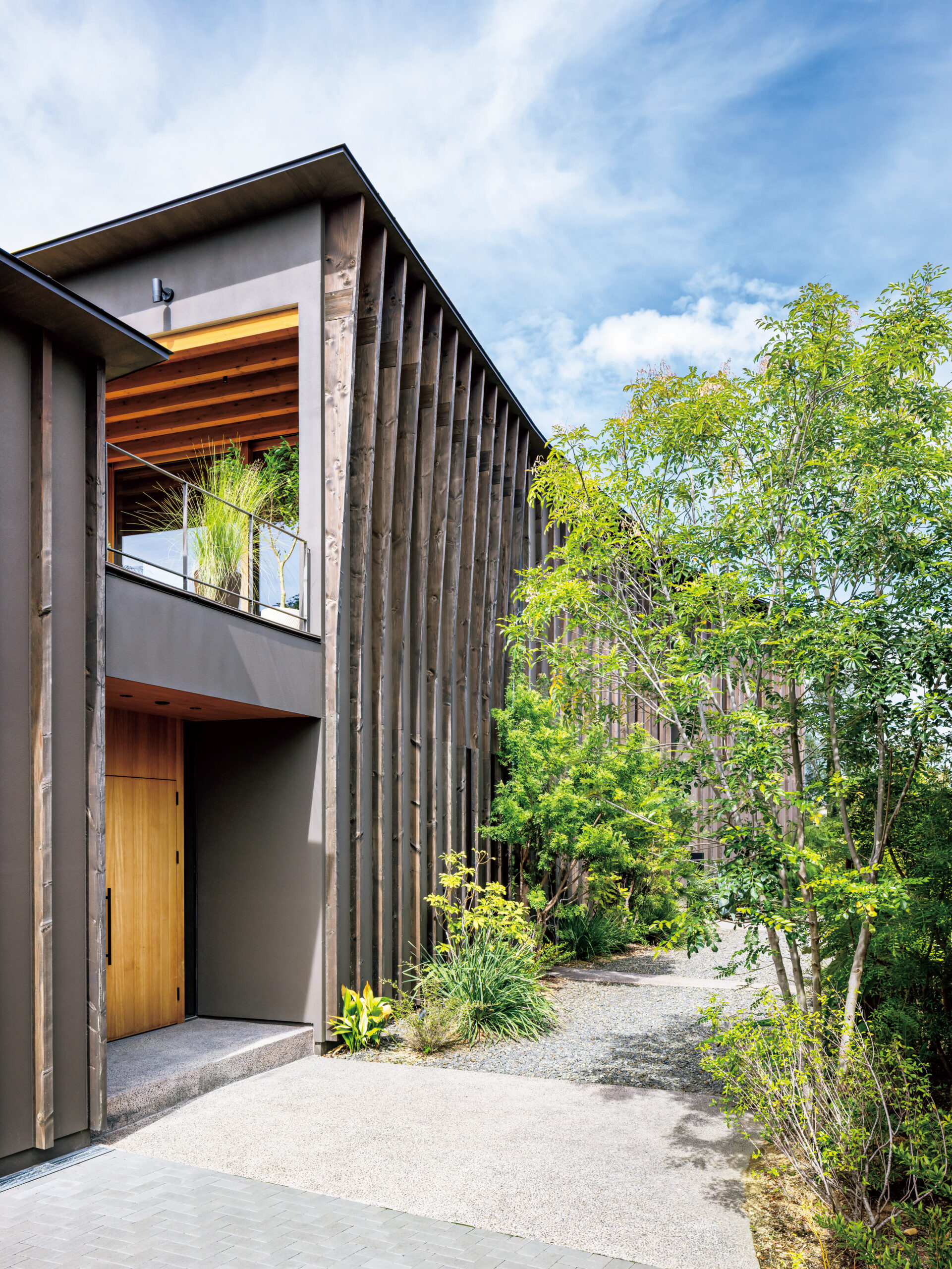
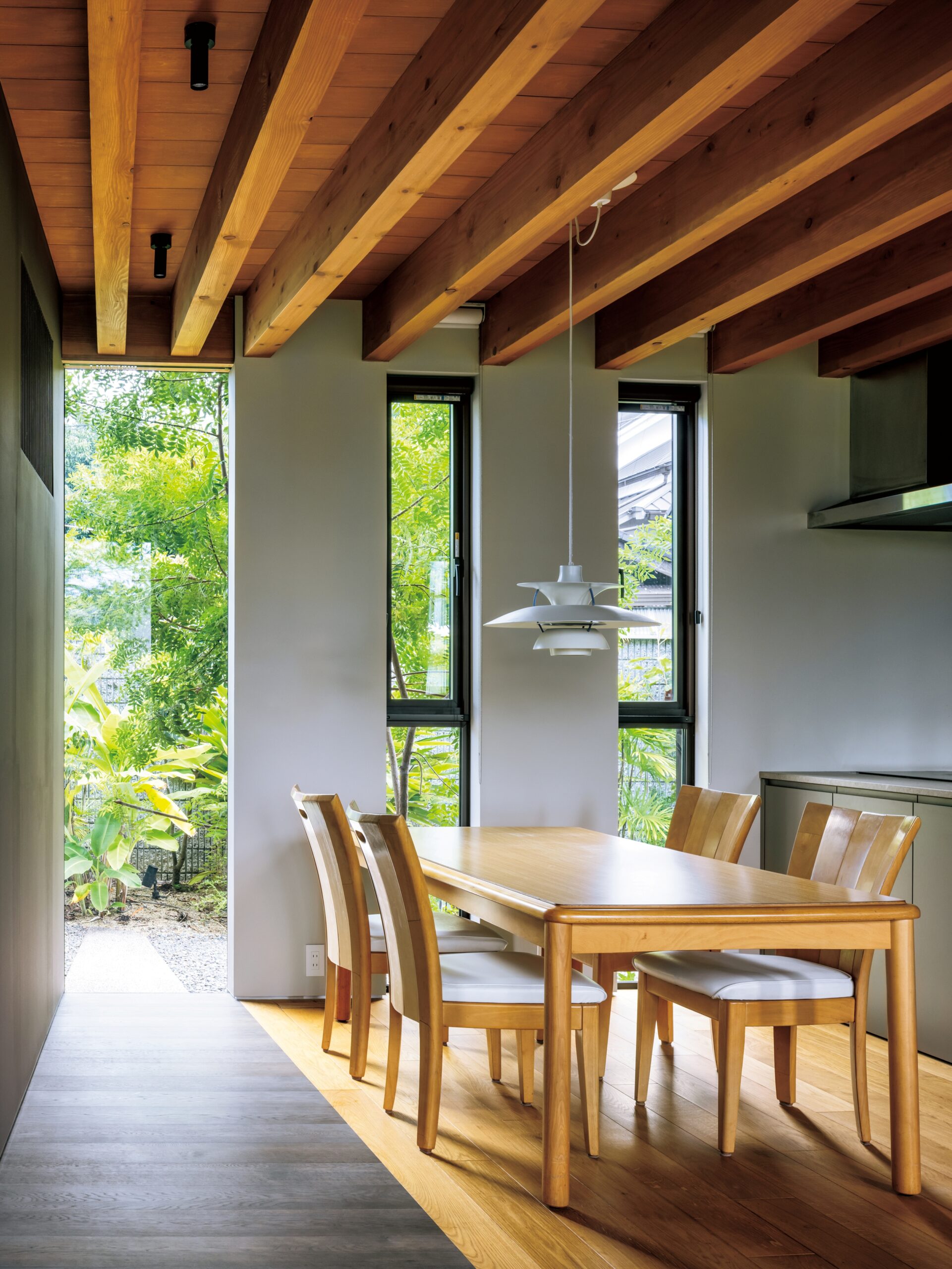
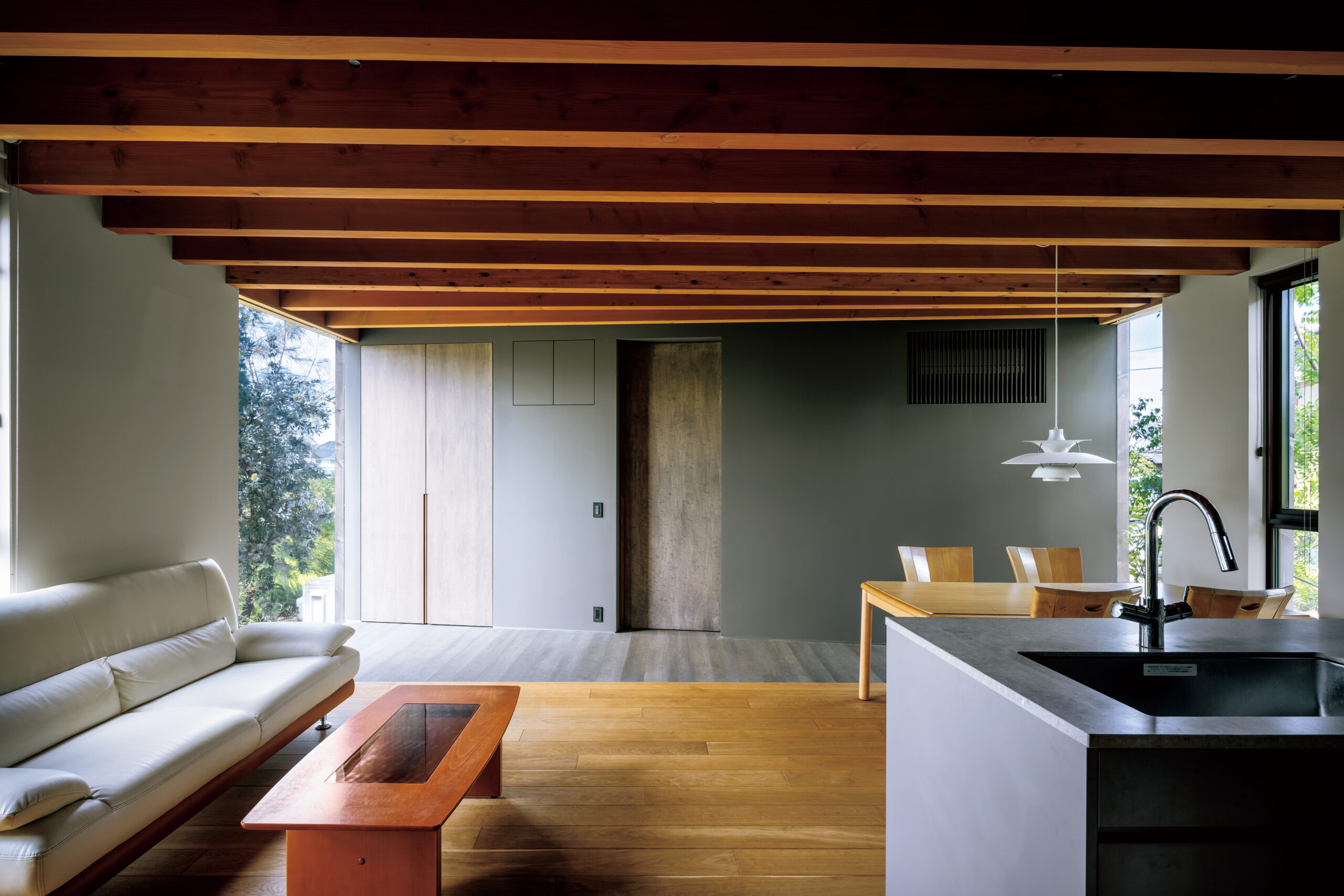
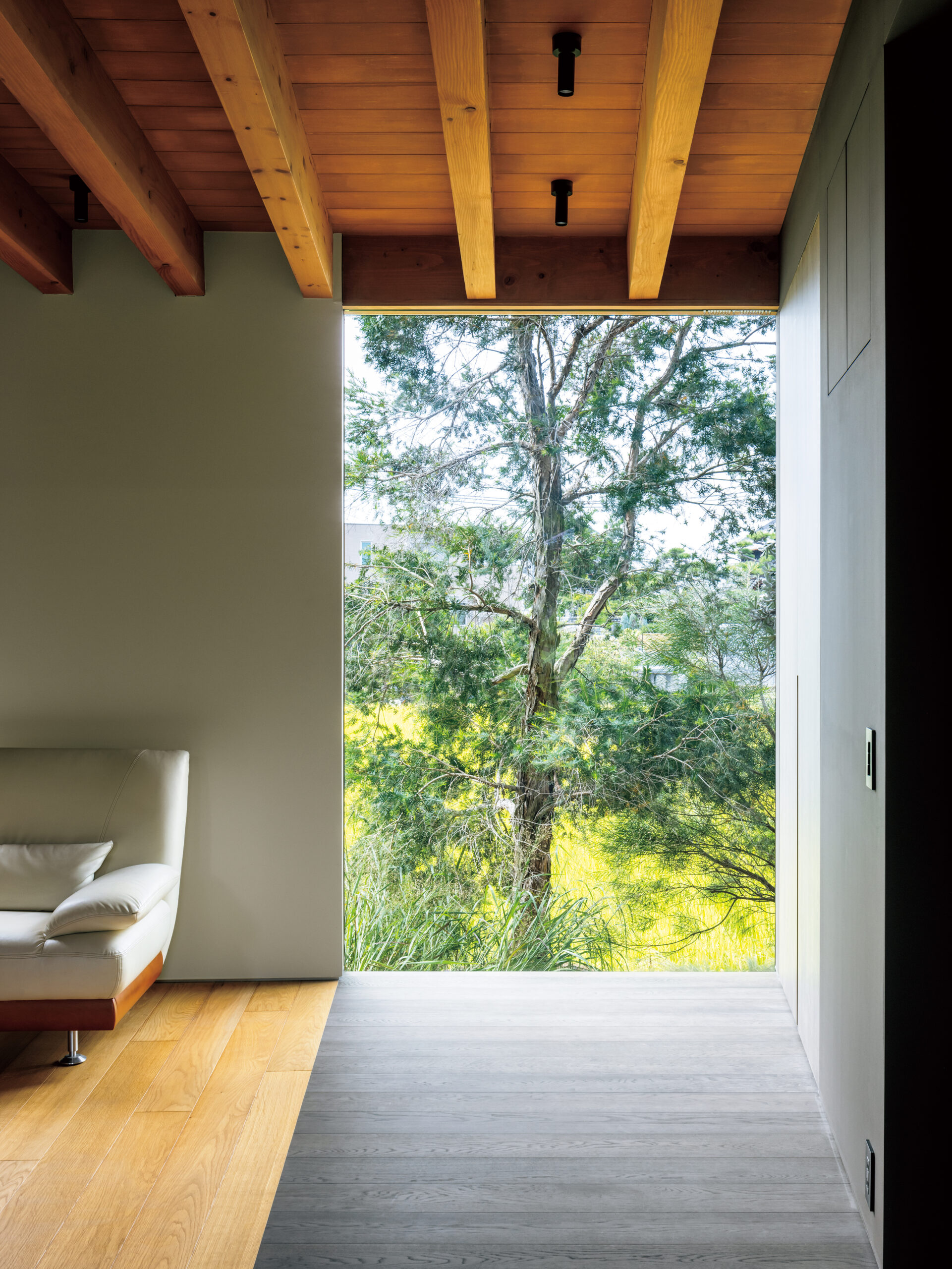
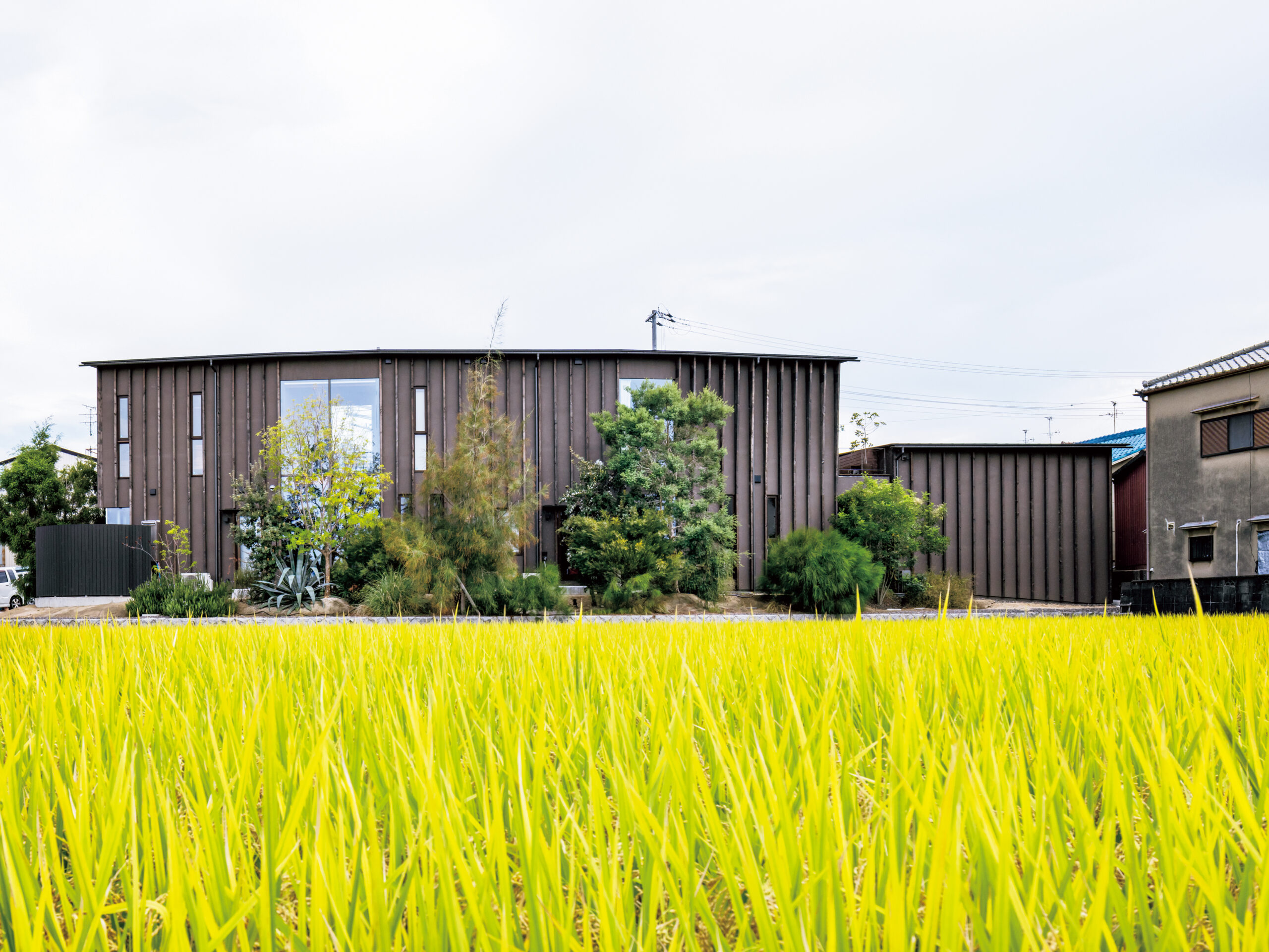
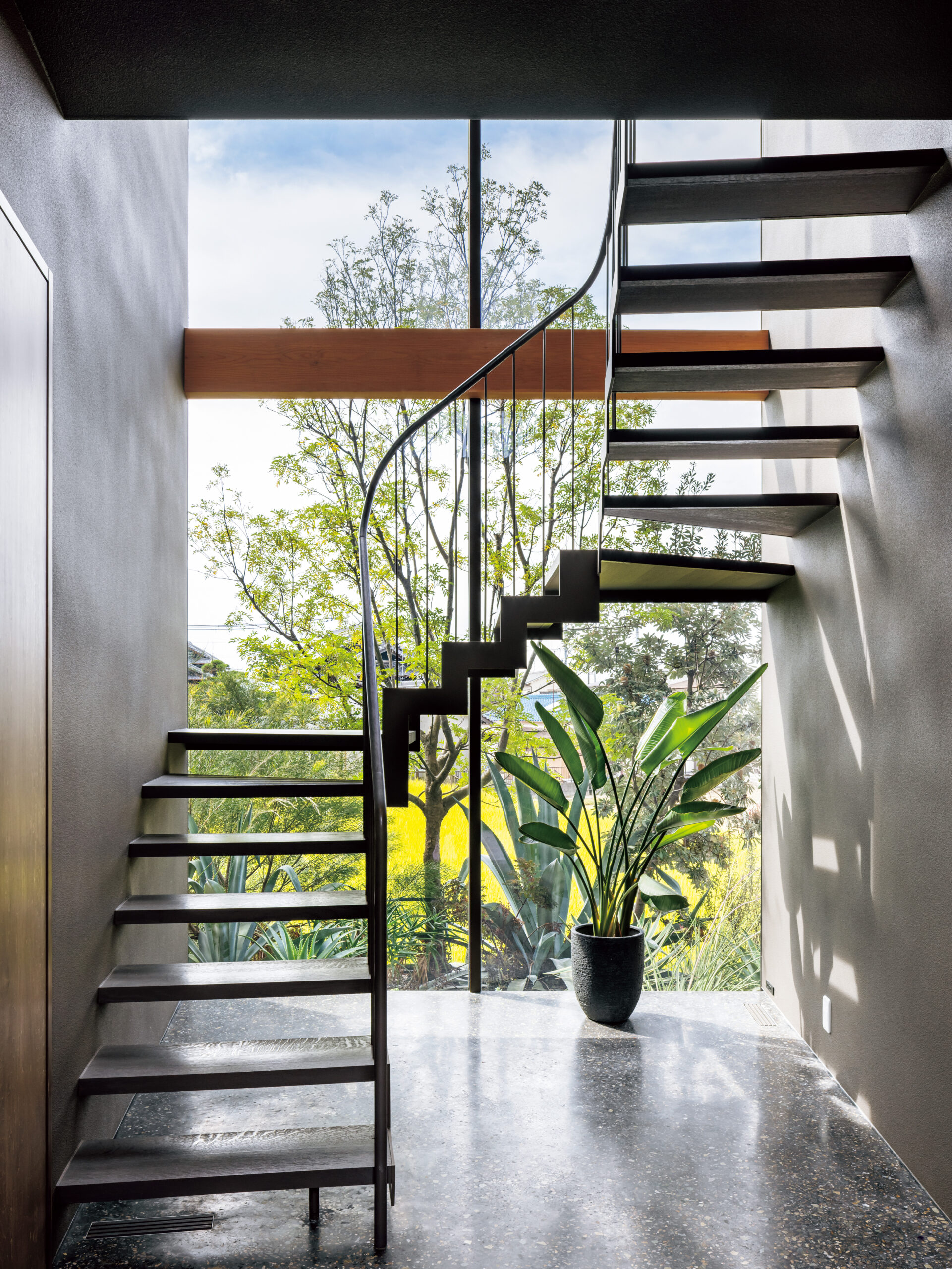
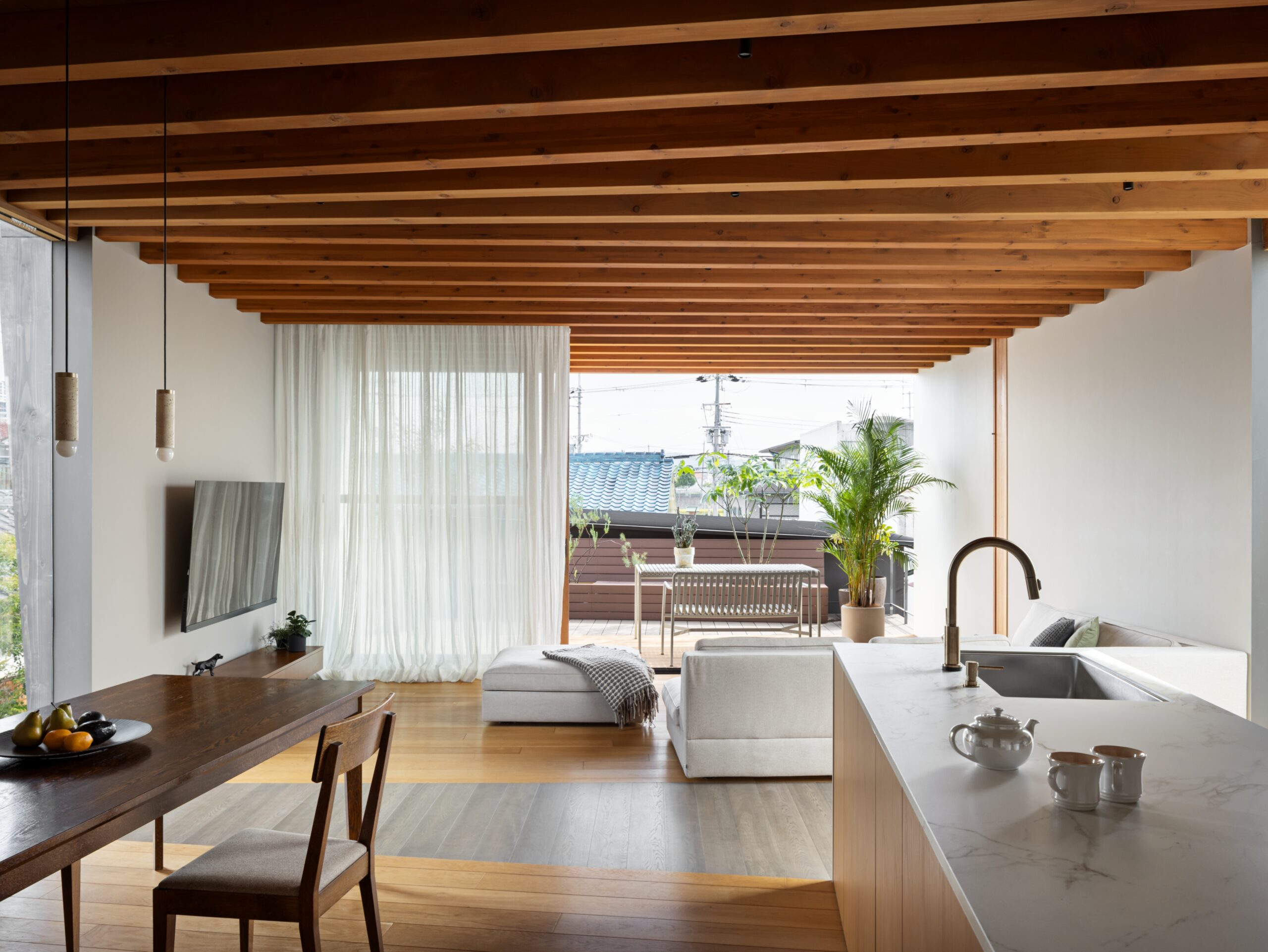
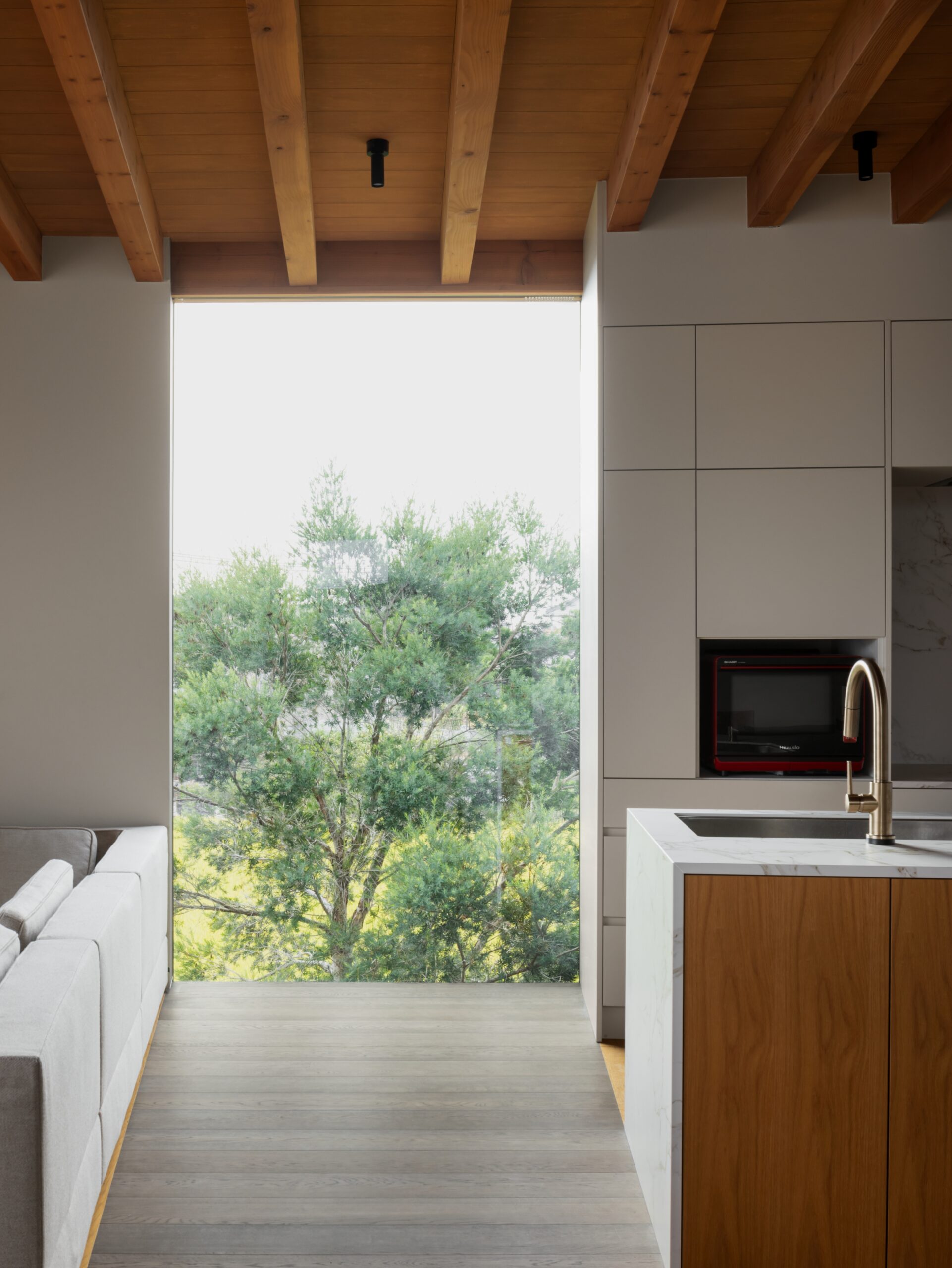
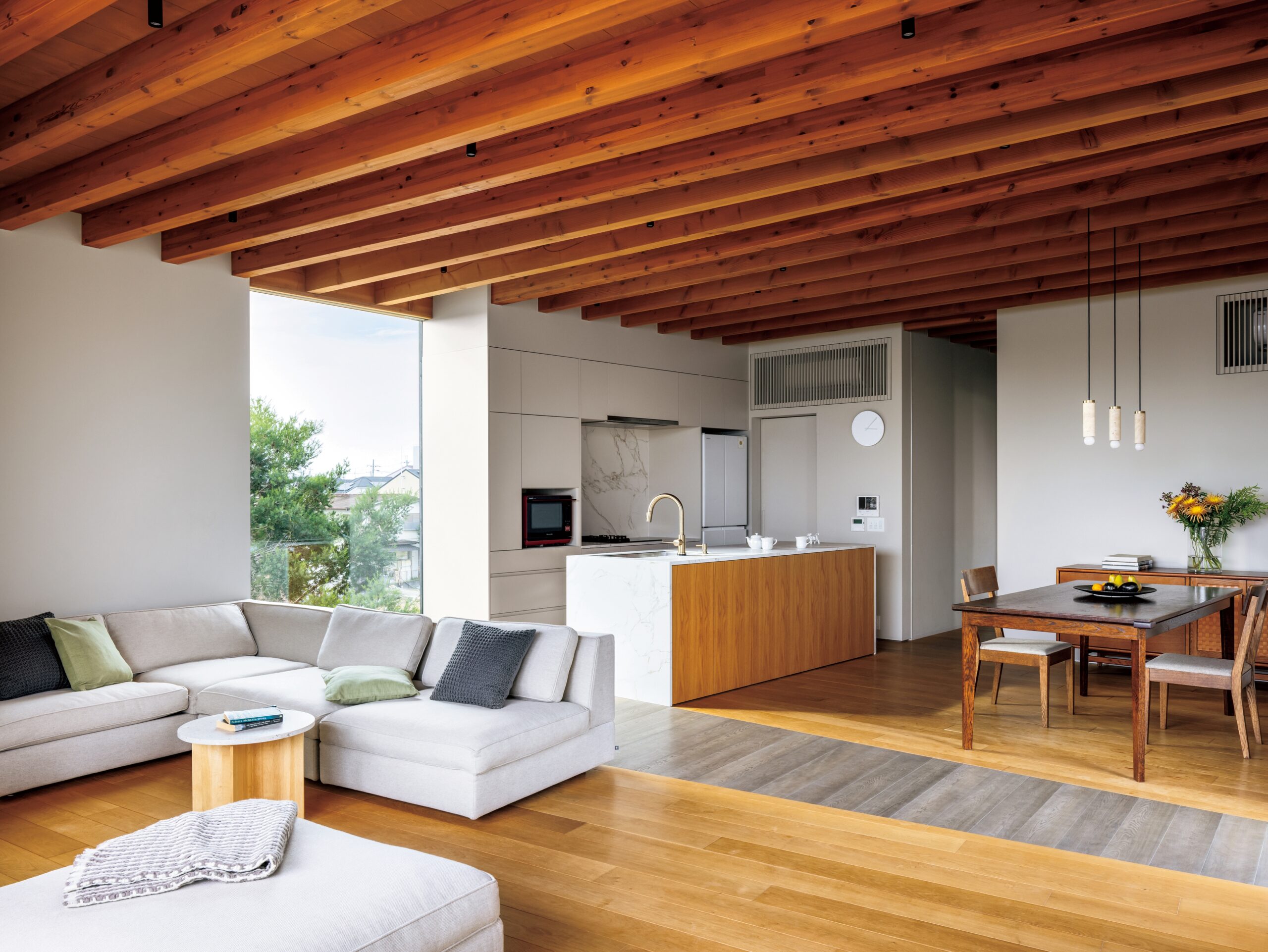
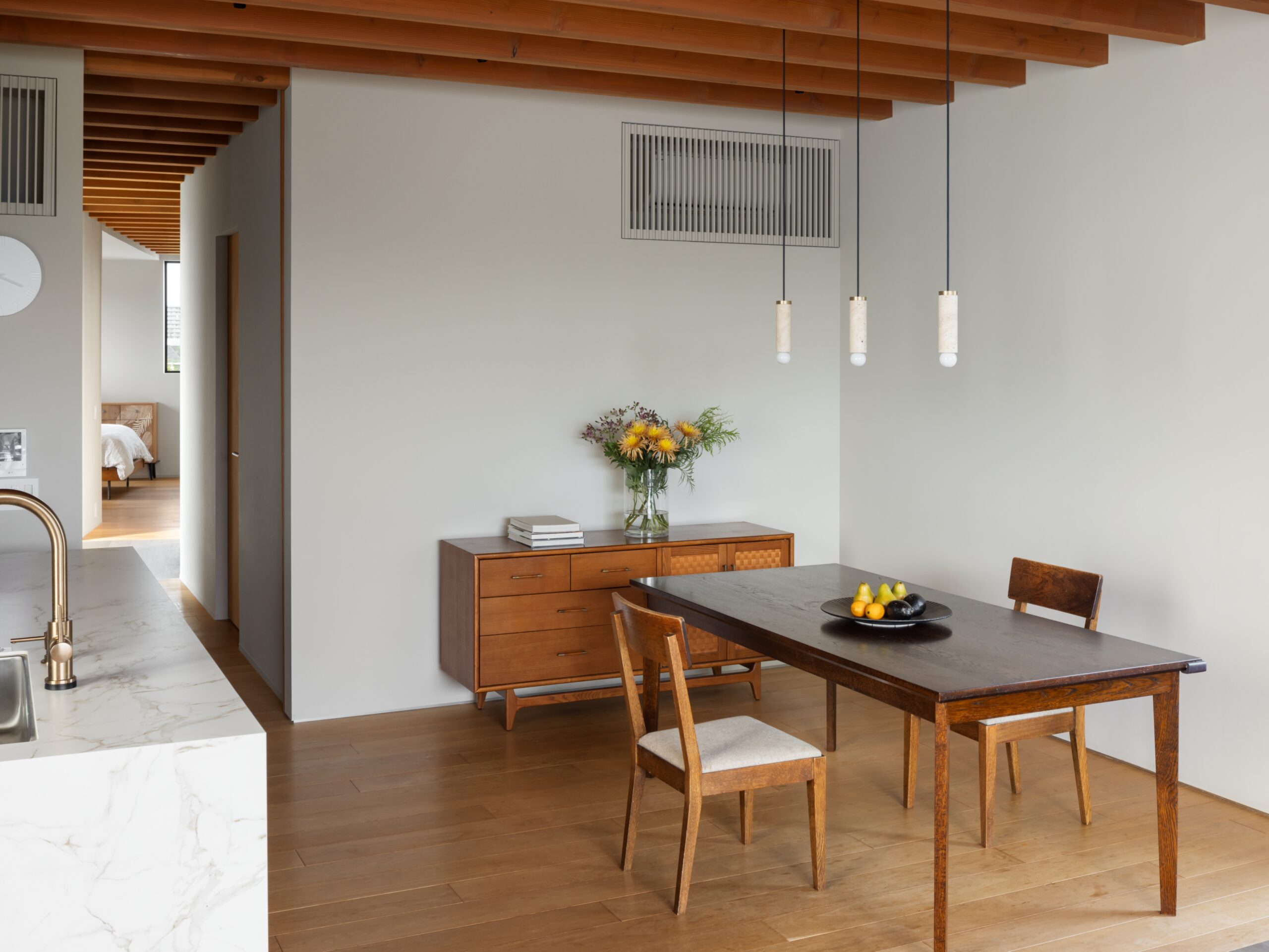
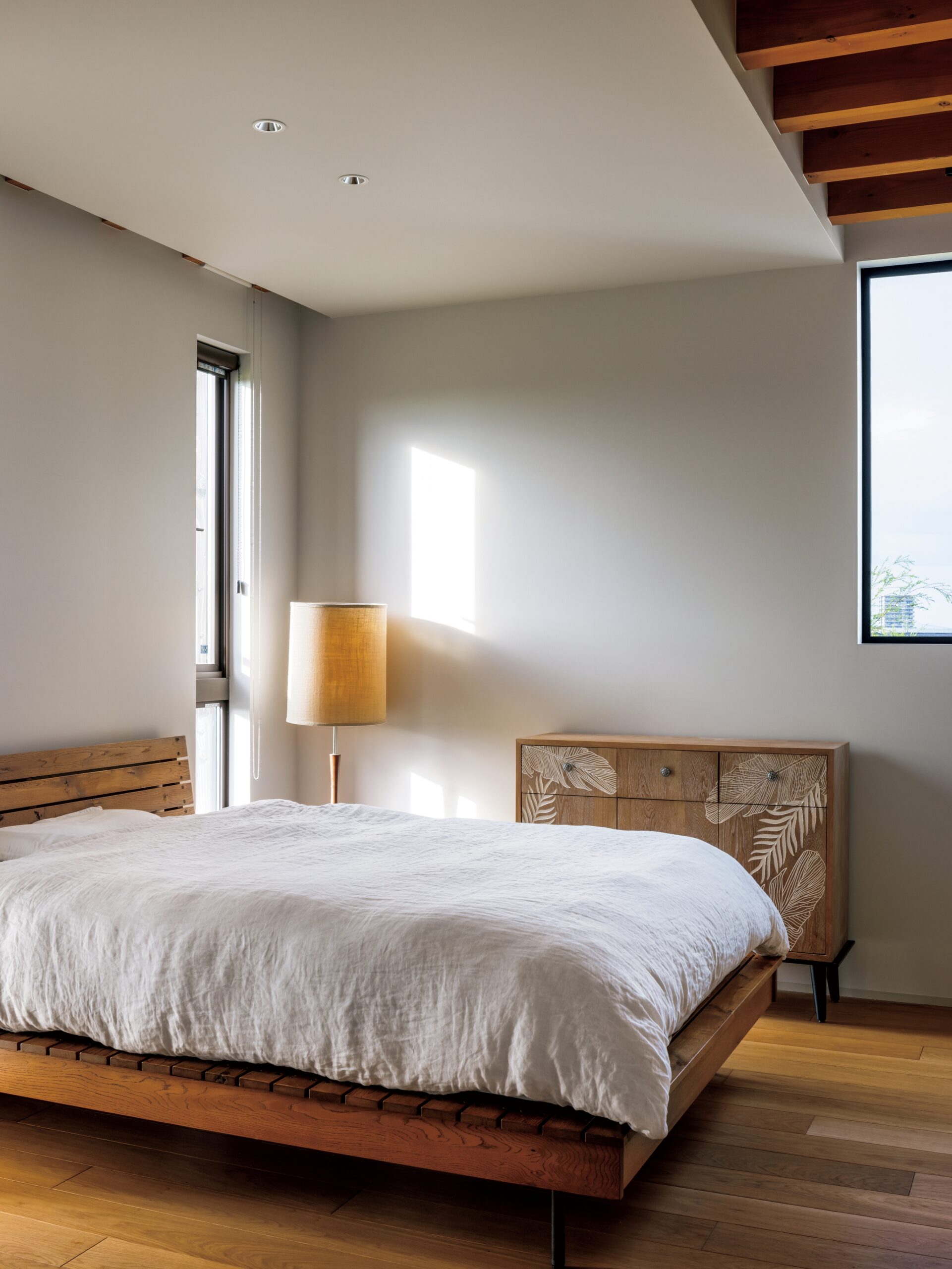
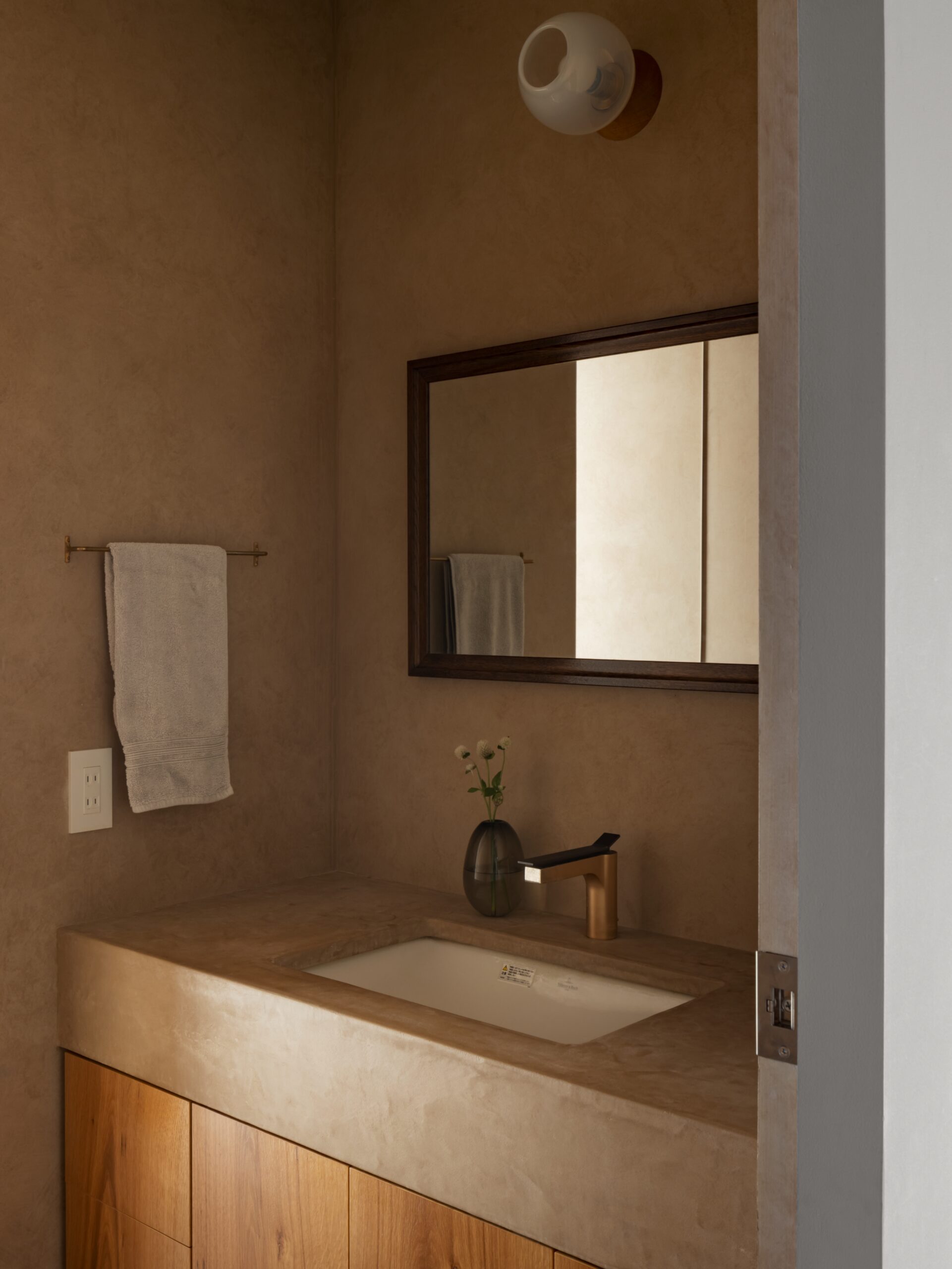
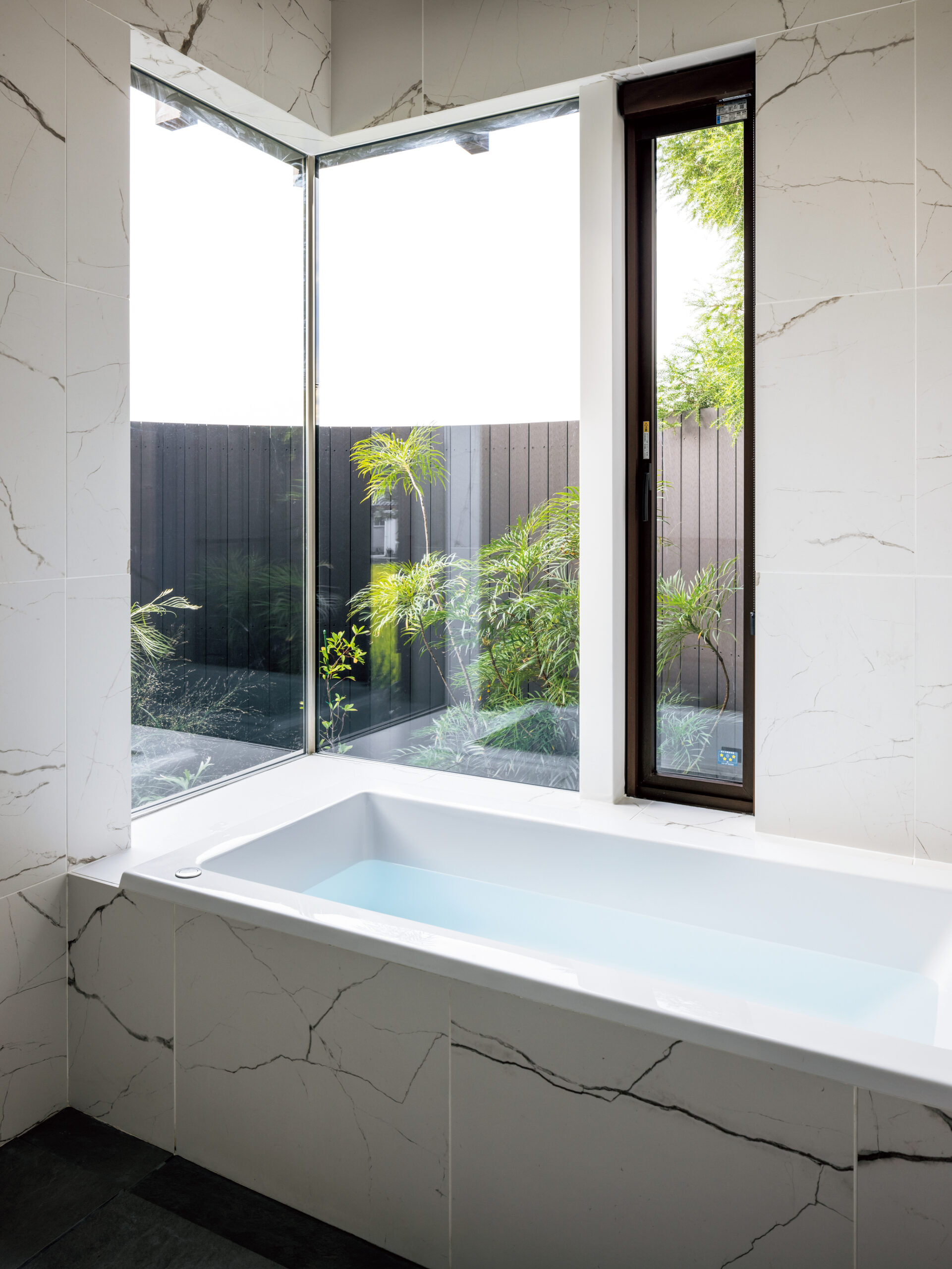
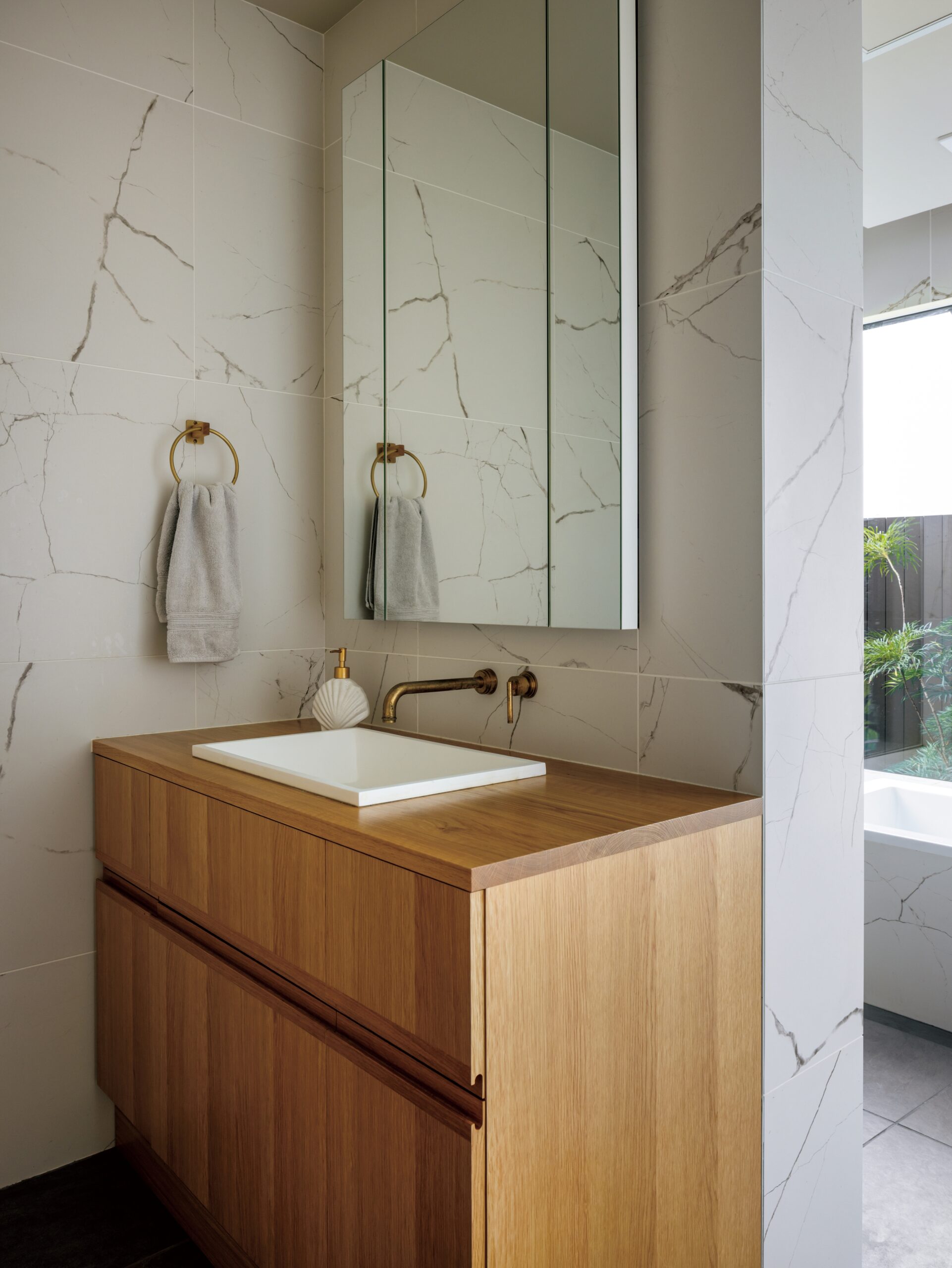
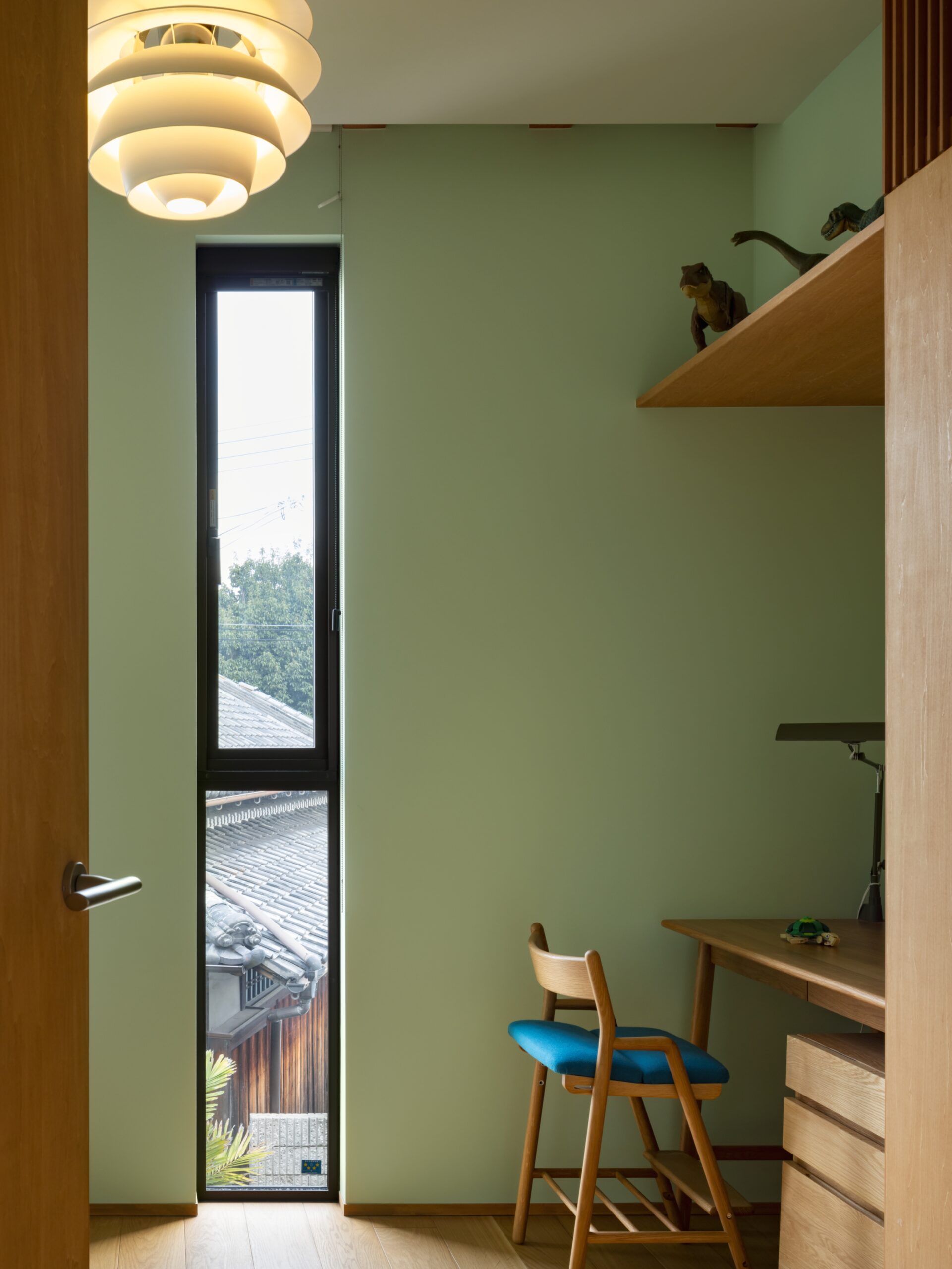
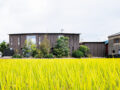
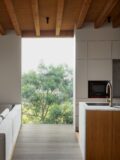
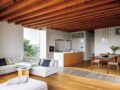
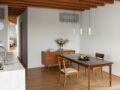
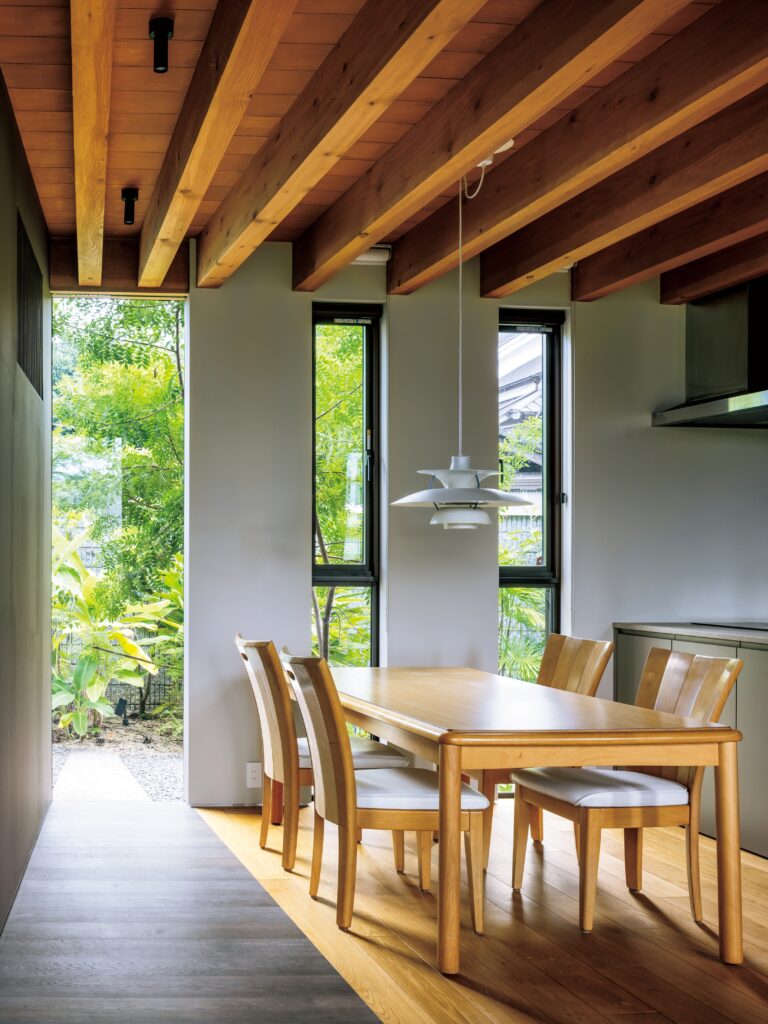
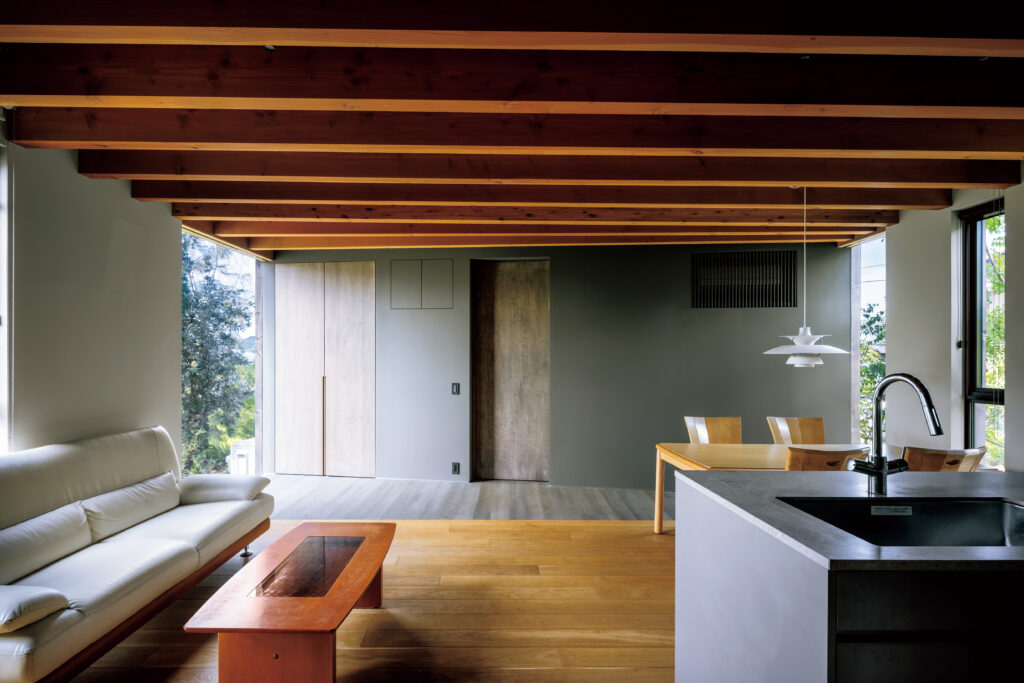
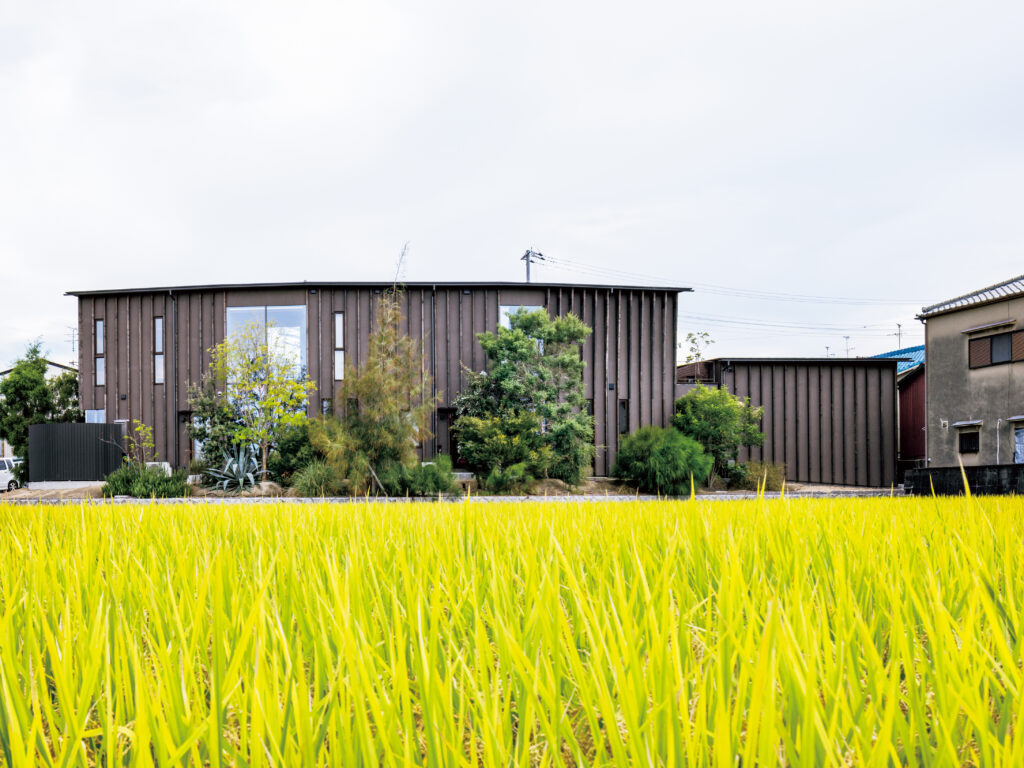
This two-family residence is located beside a rice field landscape in Sakai, Osaka. The project reinterprets a site divided between east and west as a unified living landscape through the integration of architecture and garden, creating a home that embraces light, breeze, greenery, and distant views while maintaining an appropriate balance between the two households.
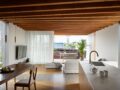
In suburban urban areas, houses are increasingly designed as self-contained environments with limited engagement with their surroundings. This site, however, offered a rare condition: despite being situated within a residential neighborhood of Sakai, it enjoys expansive views of rice fields to the west. Rather than treating the house as an isolated object, the design views architecture as a medium through which the surrounding landscape can become part of everyday life. As a residence shared by parents and their children’s family, the project also sought to balance privacy with connection, creating a comfortable relationship between the two generations.
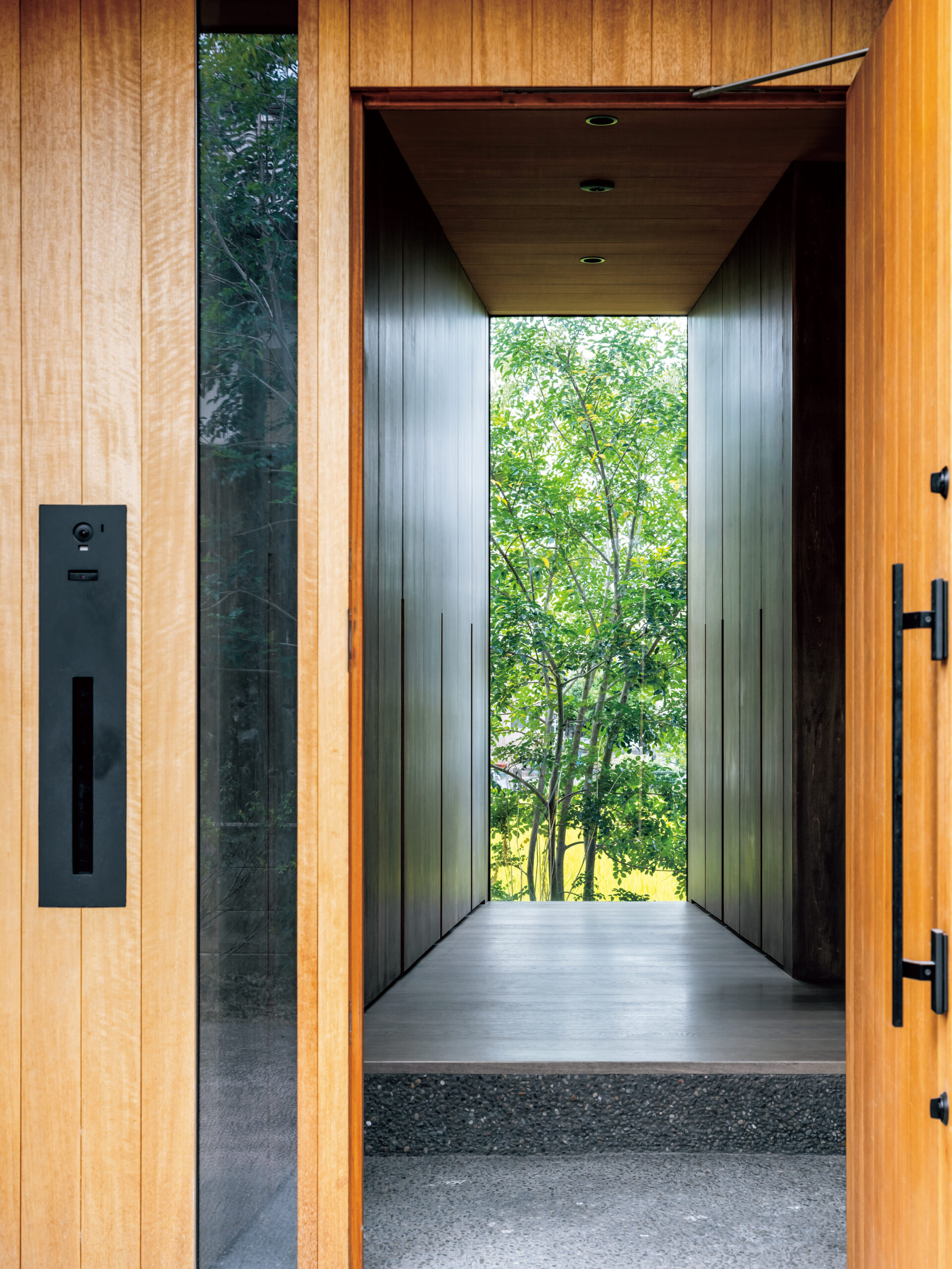
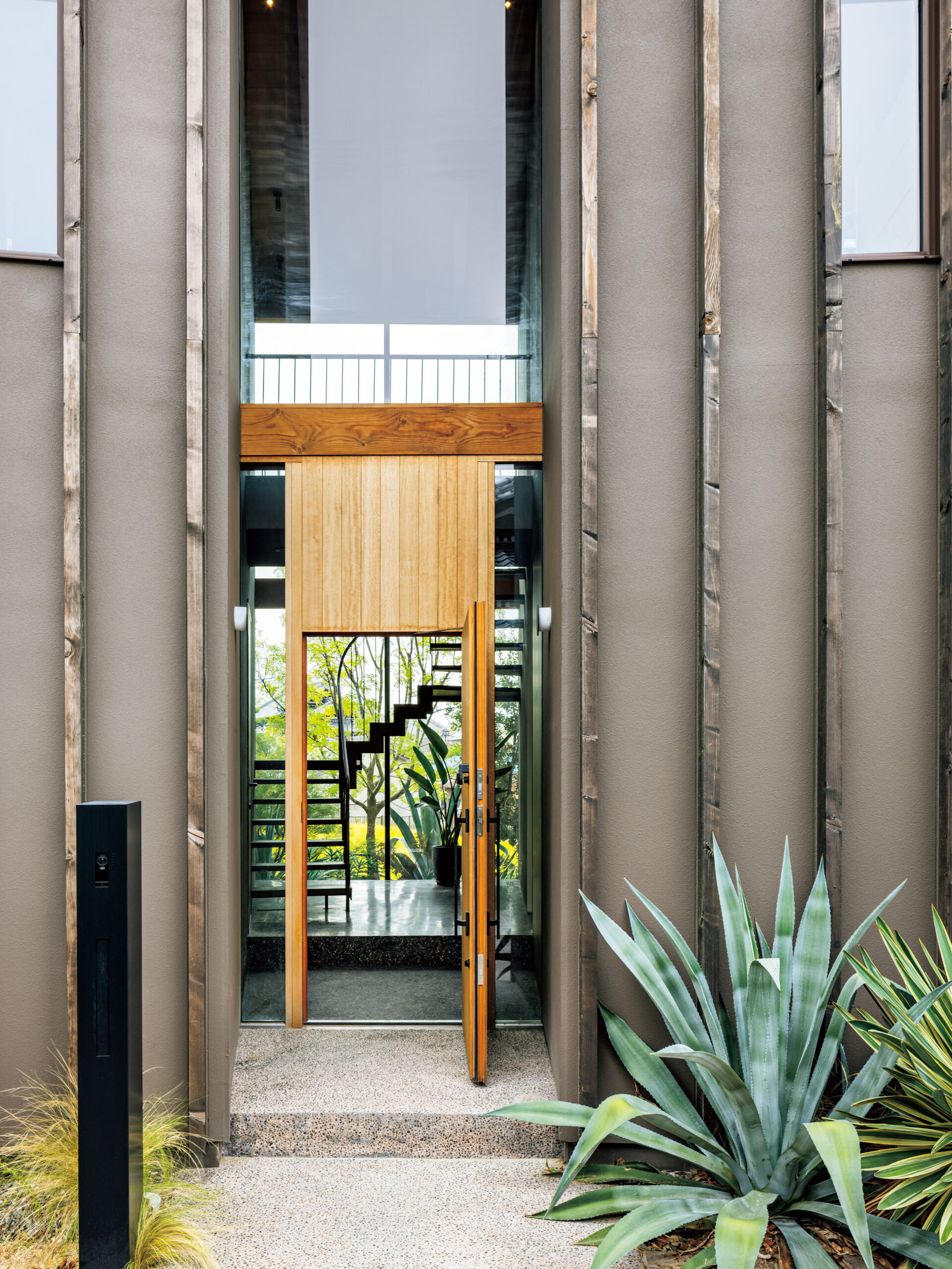
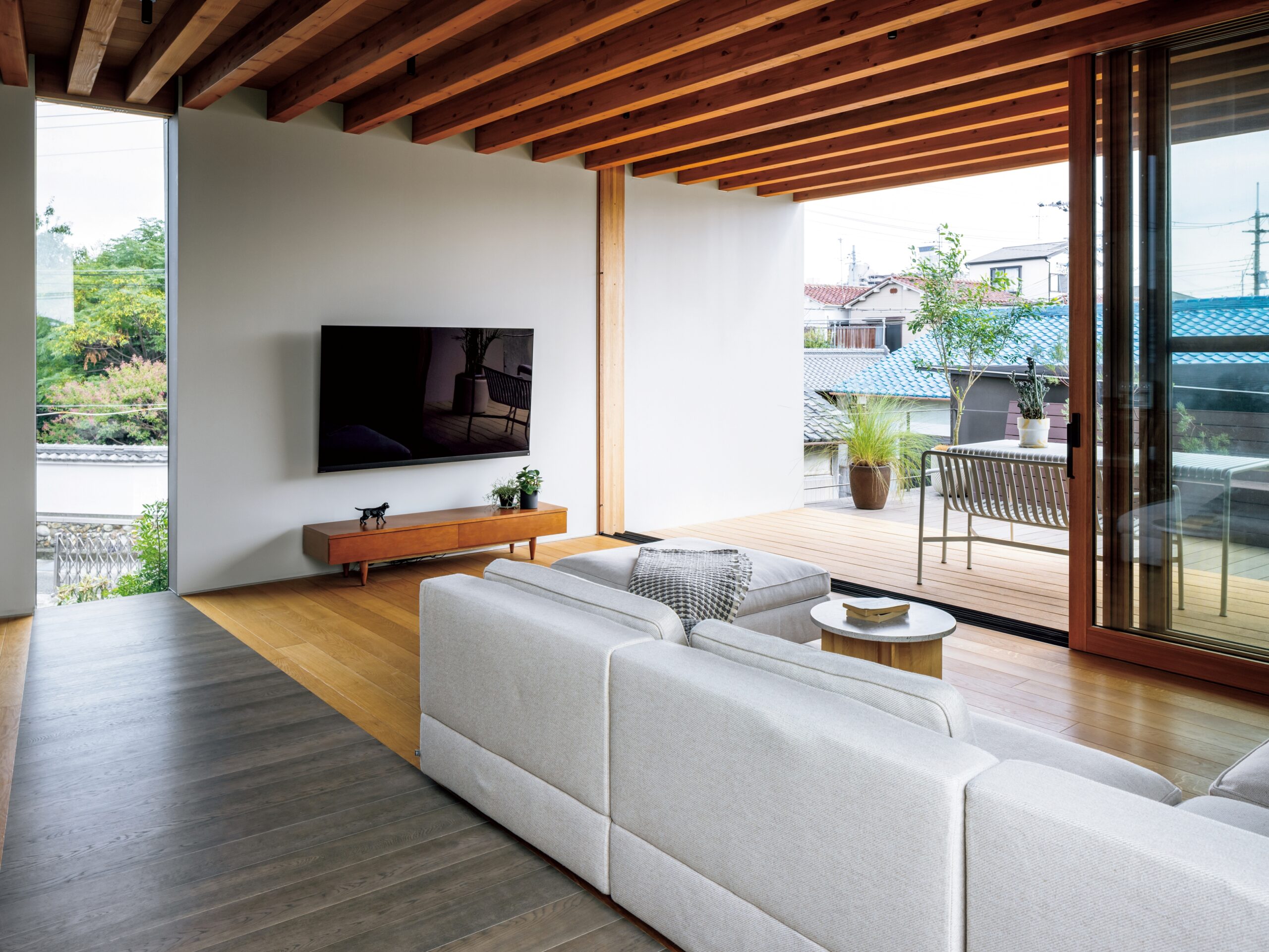
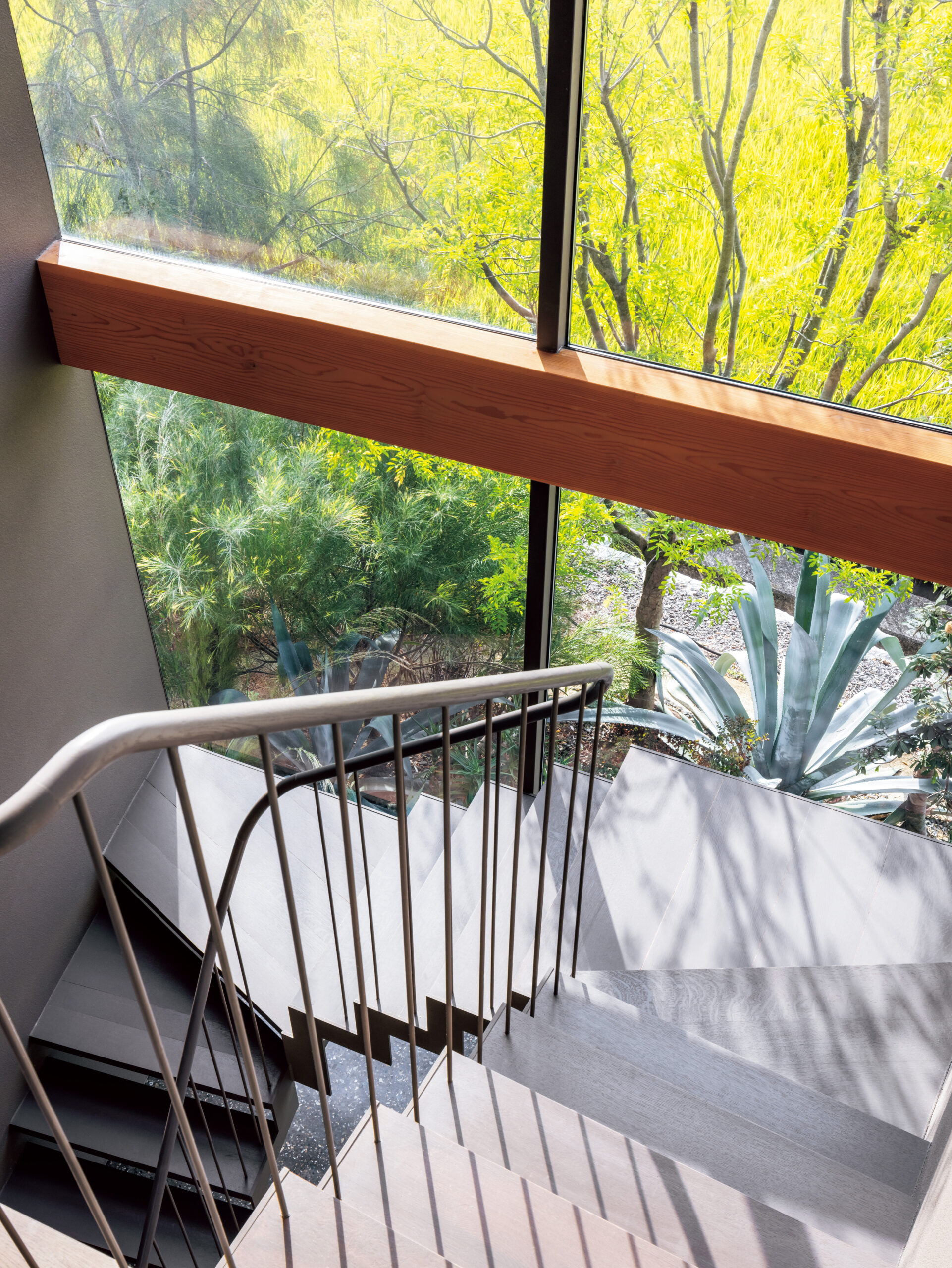
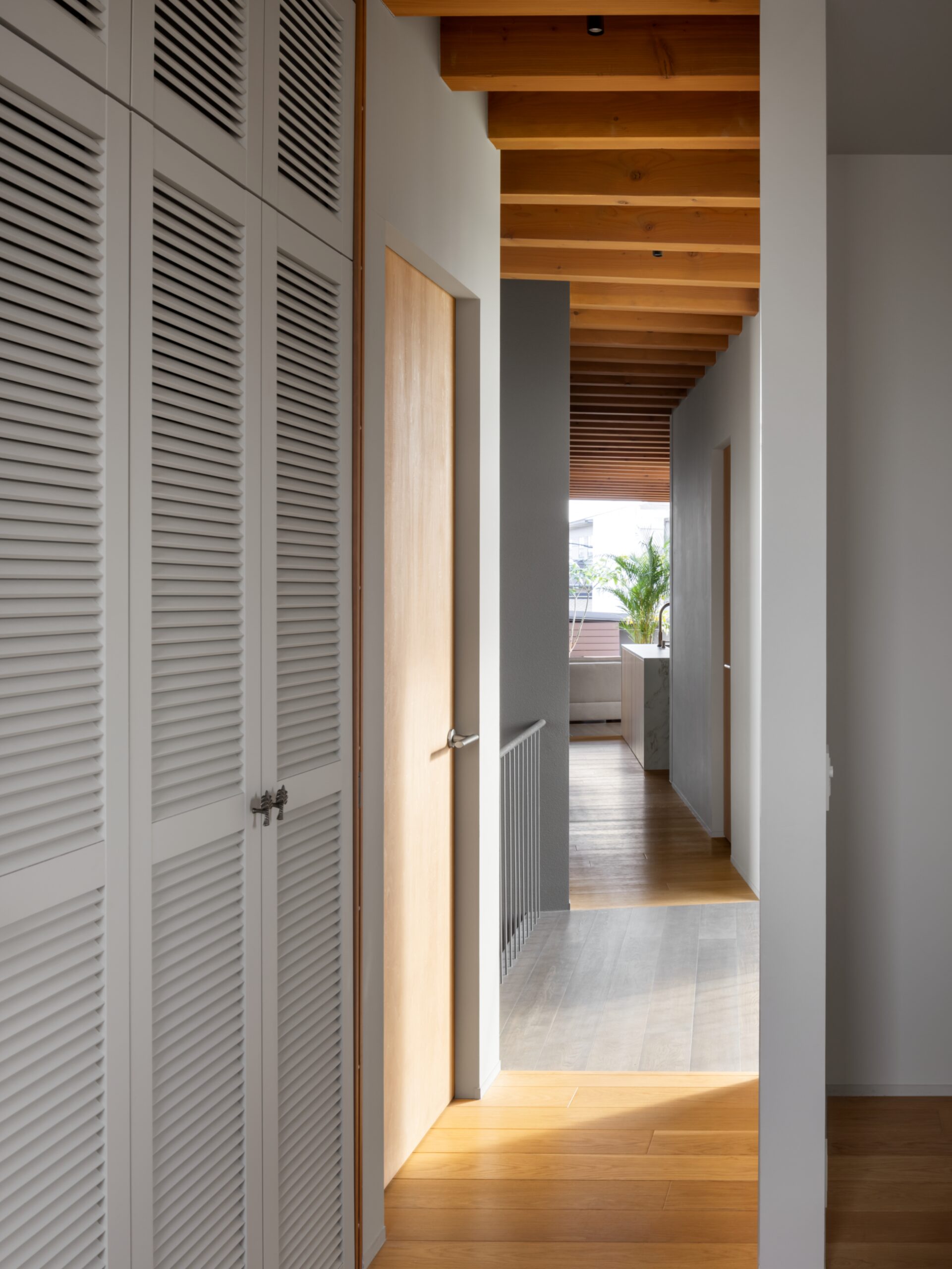
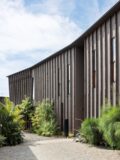
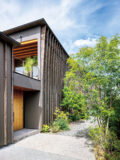
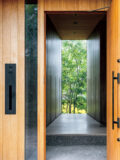
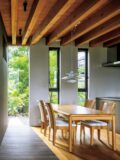
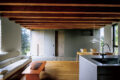
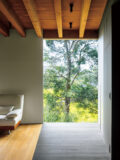
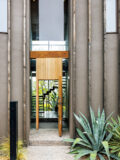
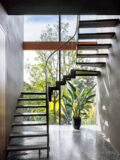
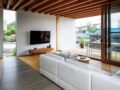
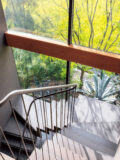
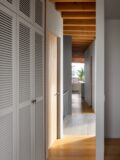
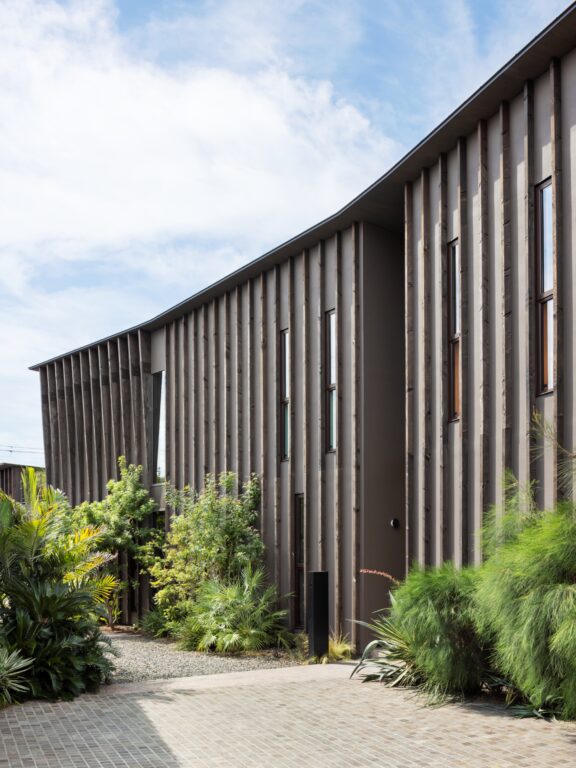
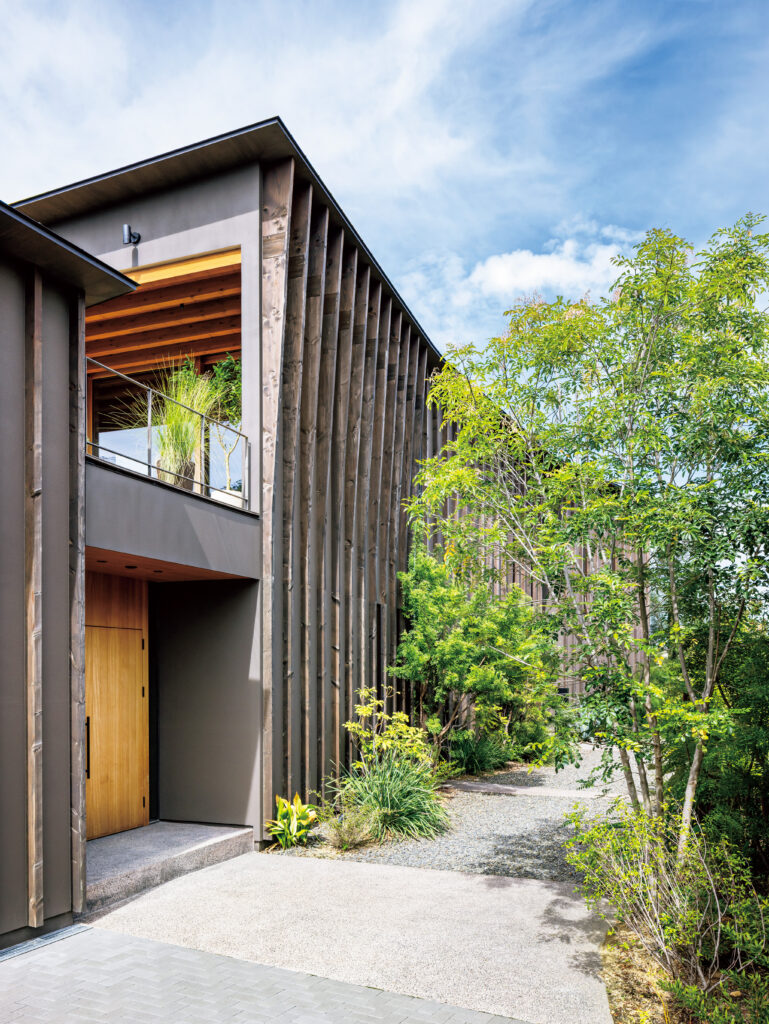
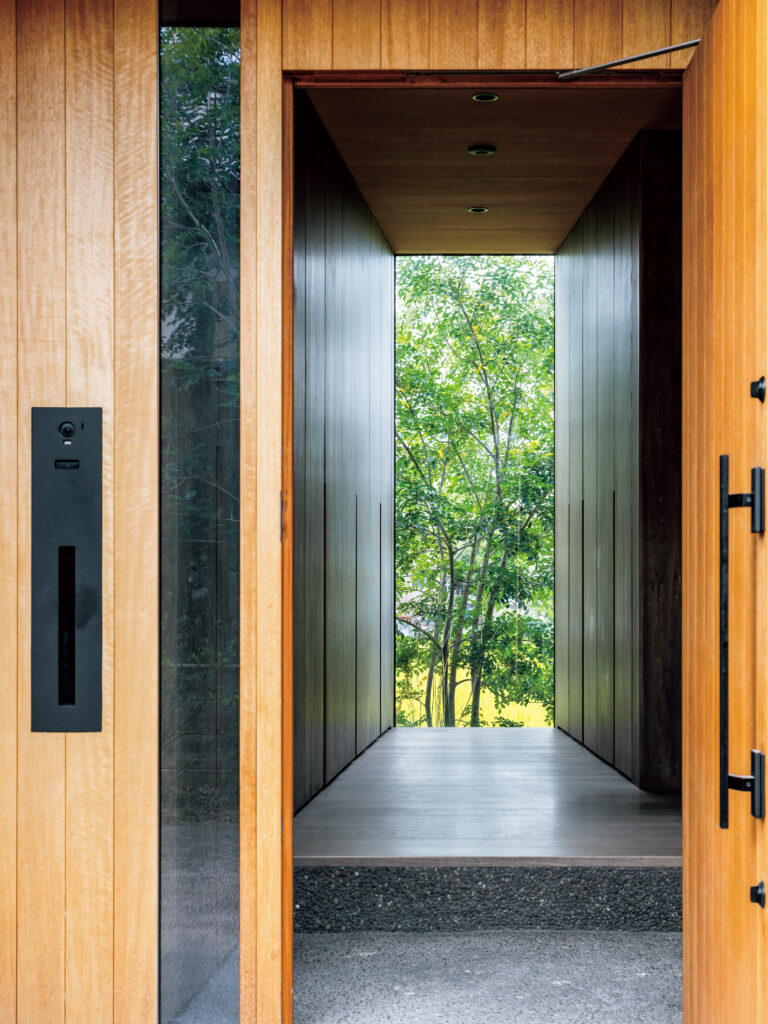
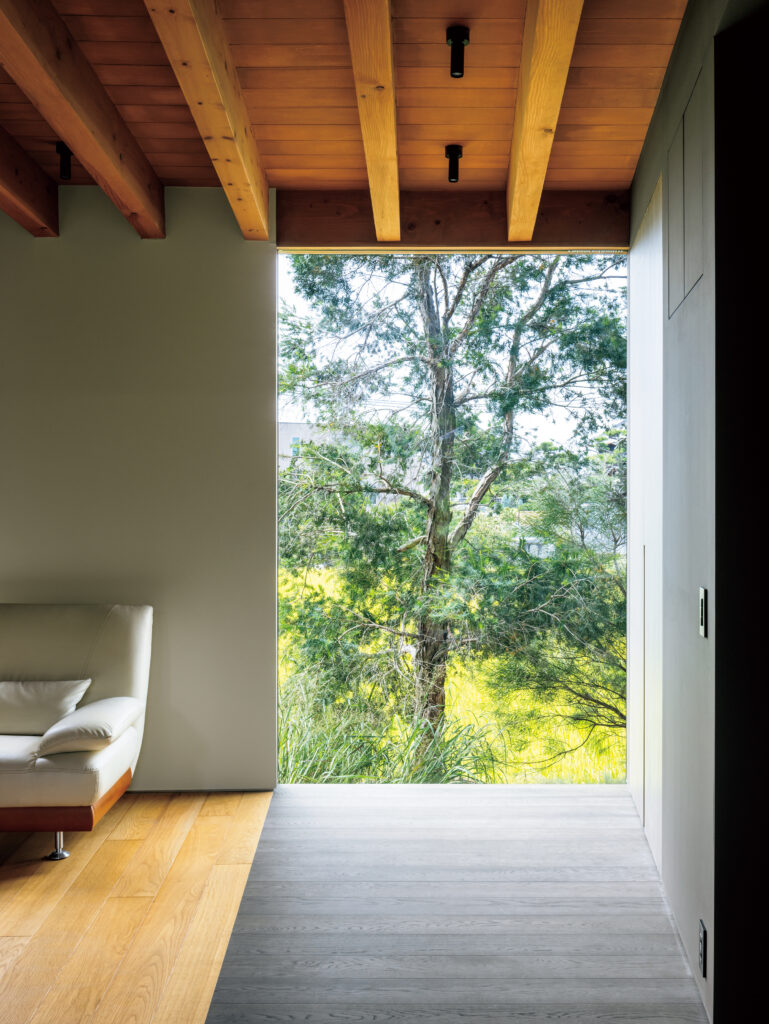
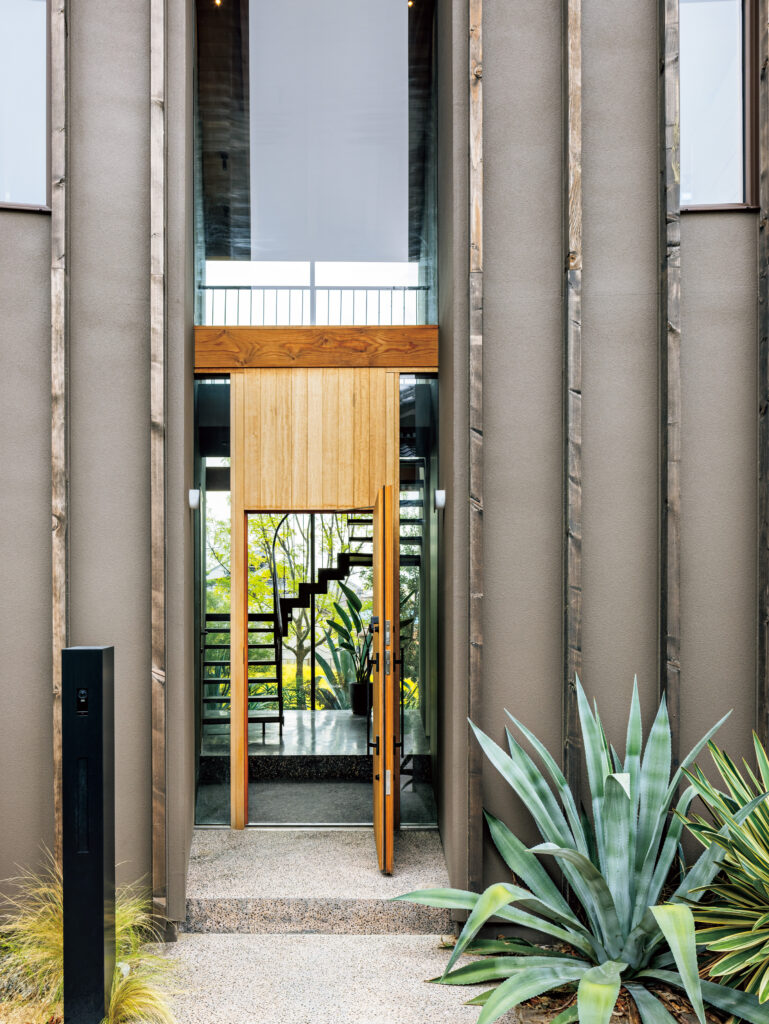
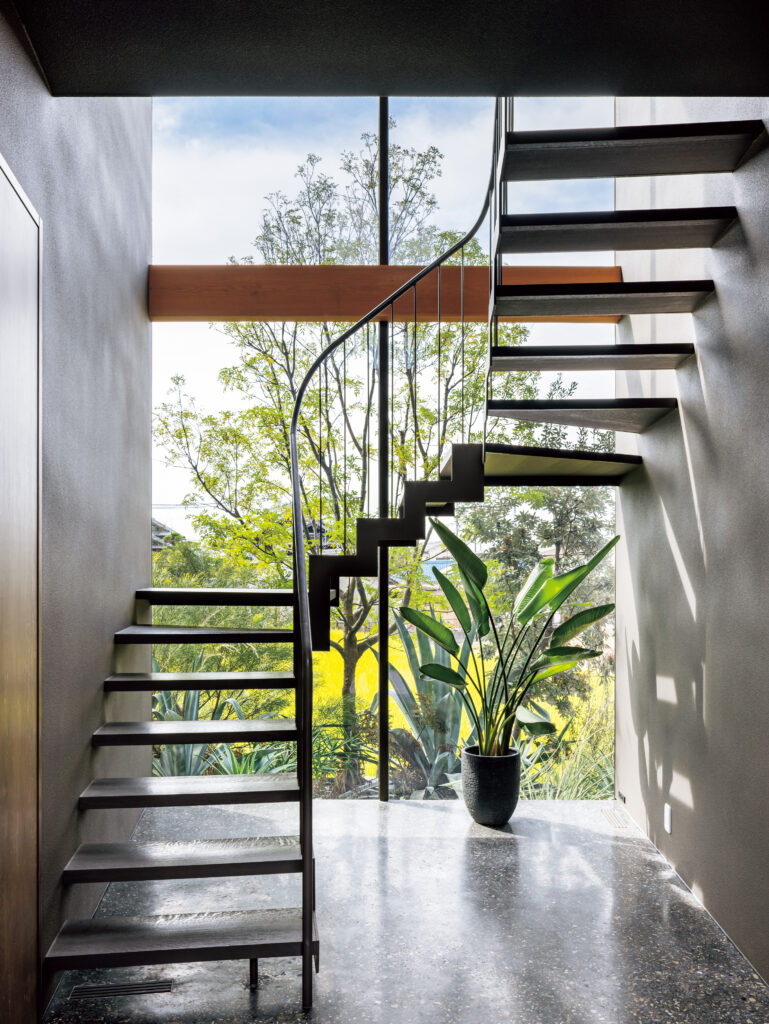
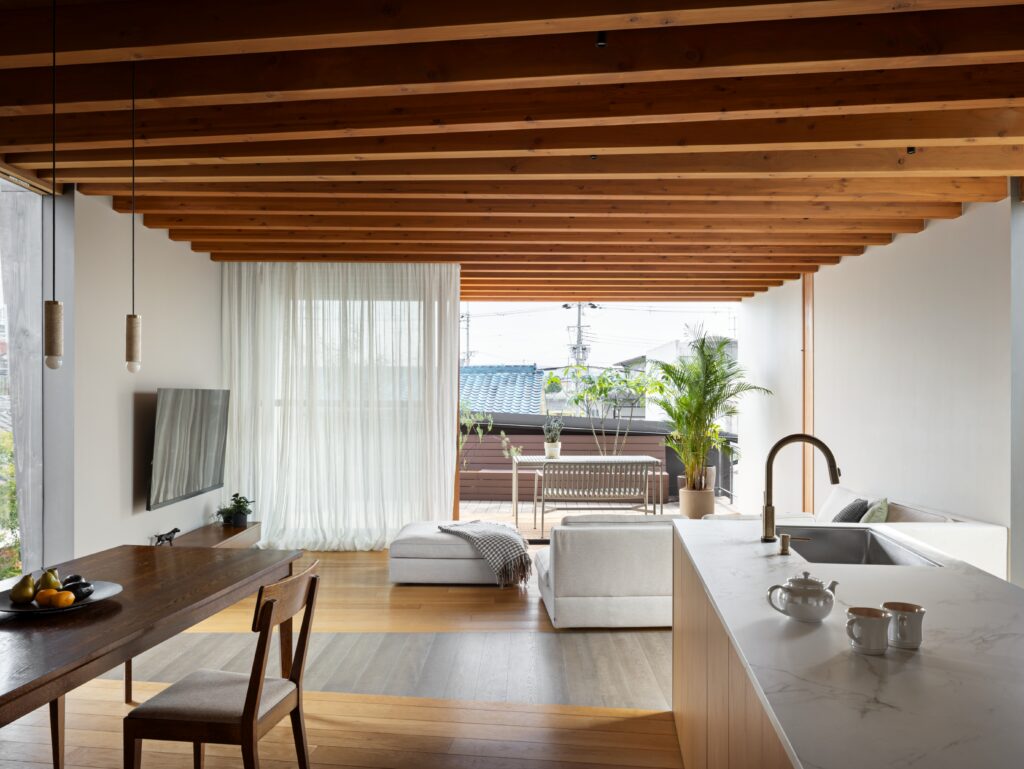
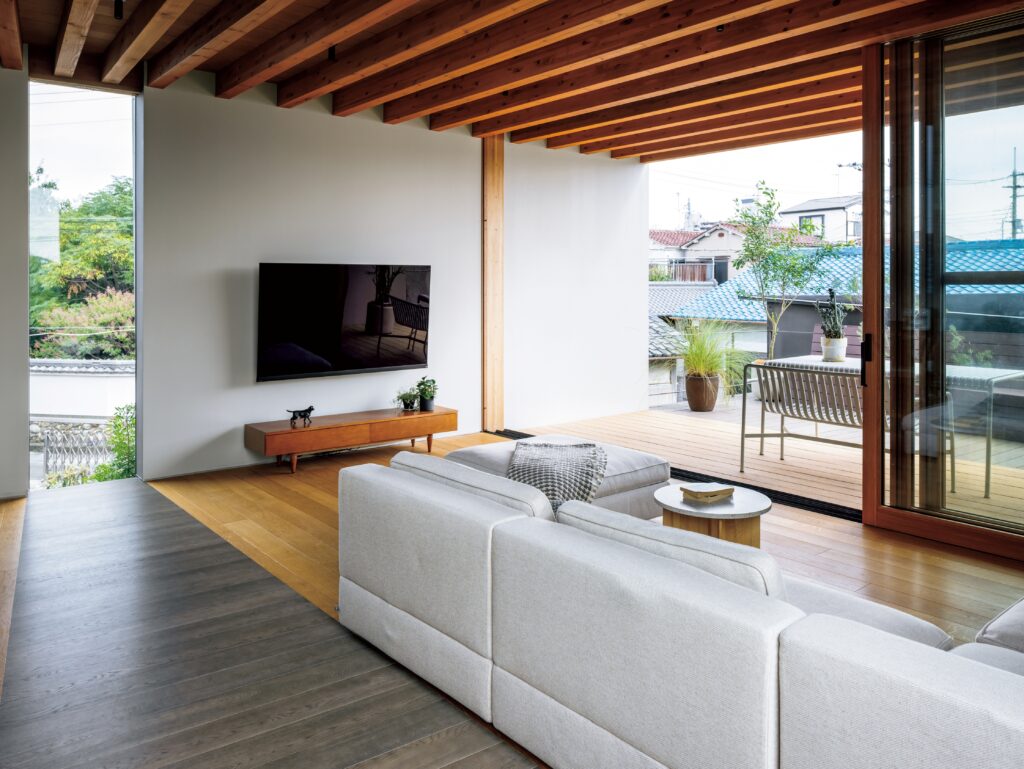
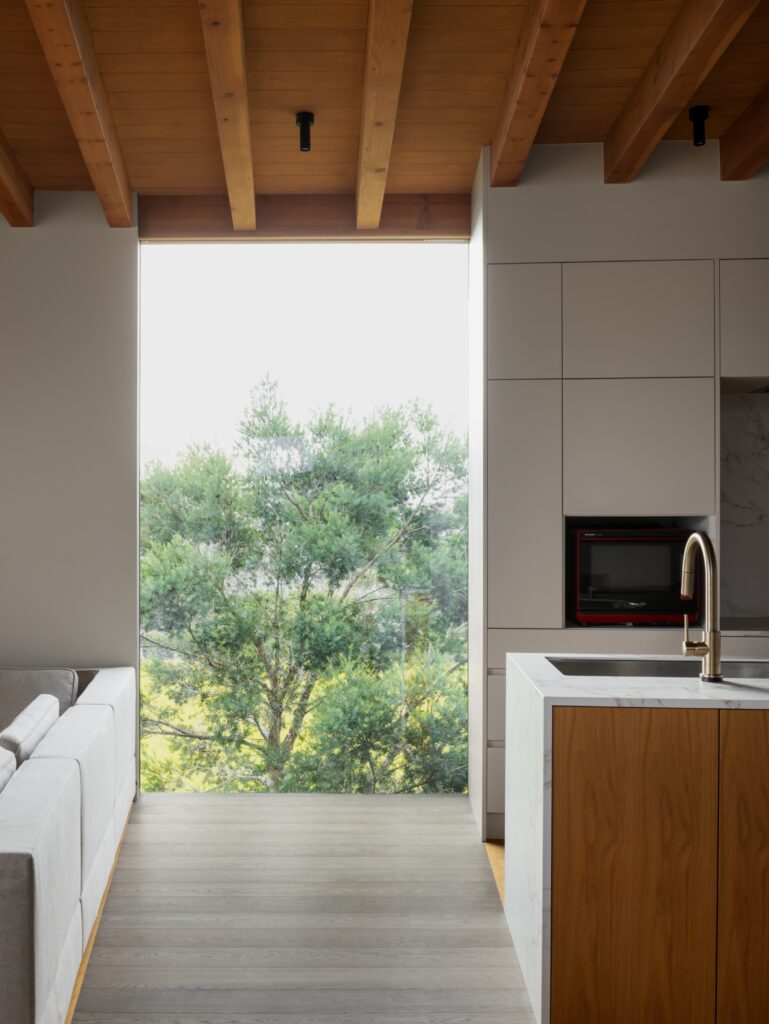
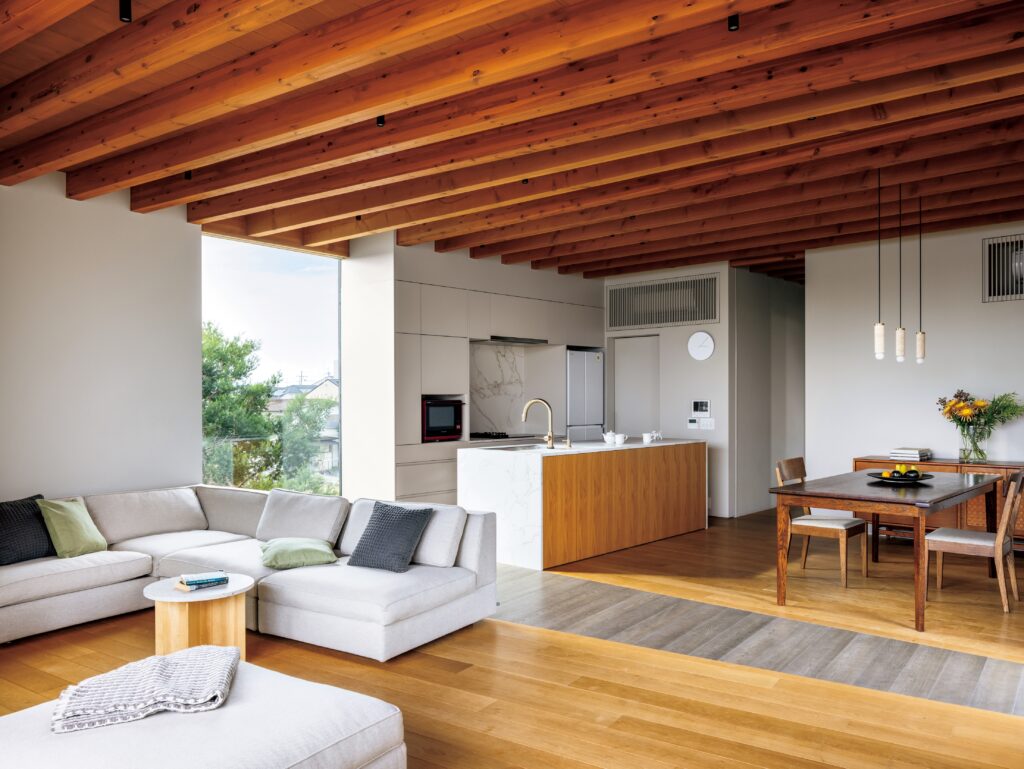
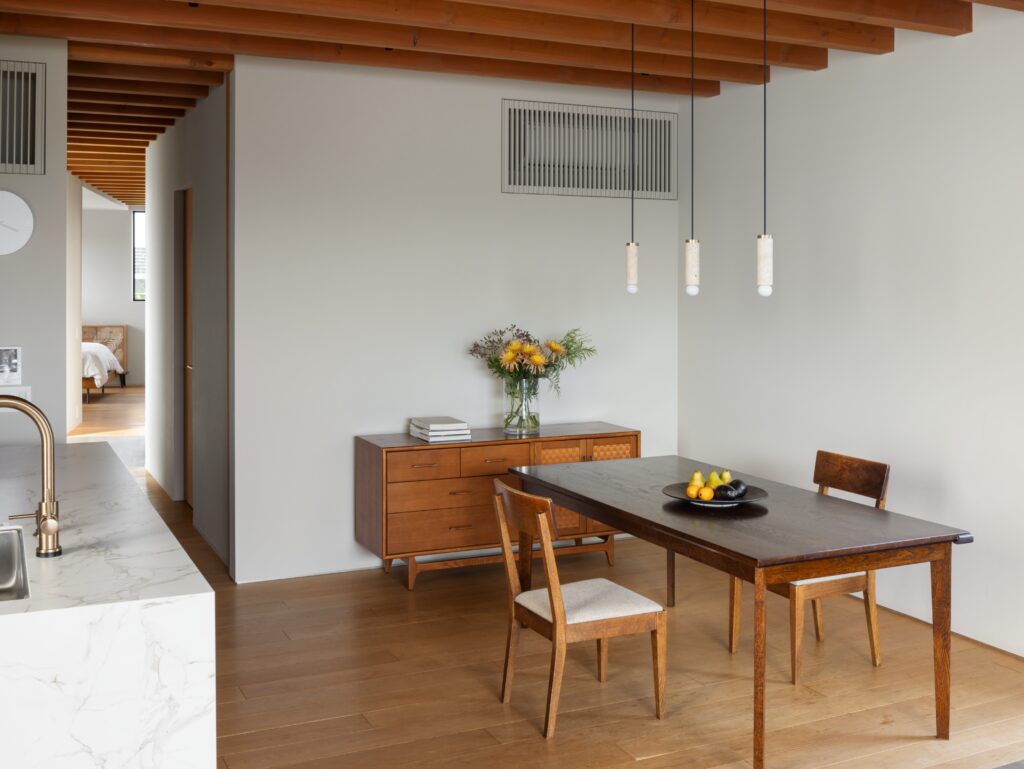
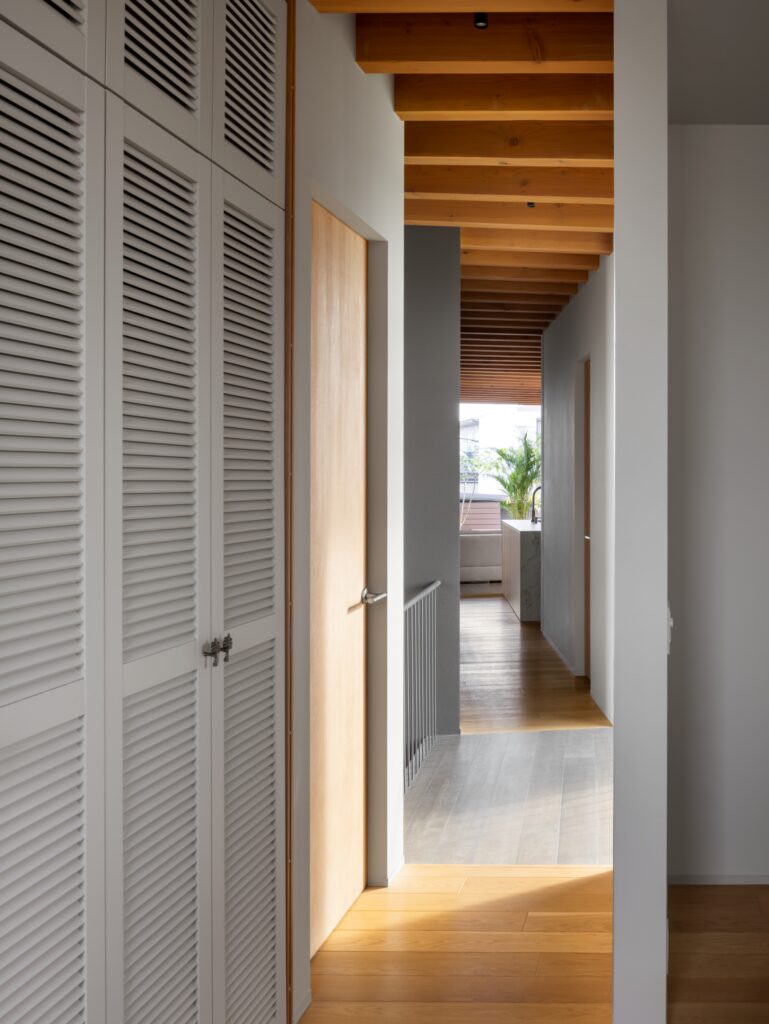
The long north–south site is organized through a series of angled volumes connected to one another, forming a spatial composition that allows light, wind, and views to flow through the house. A visual axis extending from the eastern approach to the western rice fields is drawn into the interior, integrating the previously separated site conditions into a continuous spatial experience. A portal frame structure enables a six-meter-wide opening, achieving both structural efficiency and spatial openness. Landscape design was developed in parallel with the architecture, with trees and planting selected according to environmental conditions to cultivate a landscape that will mature over time.
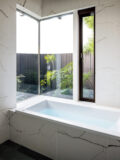
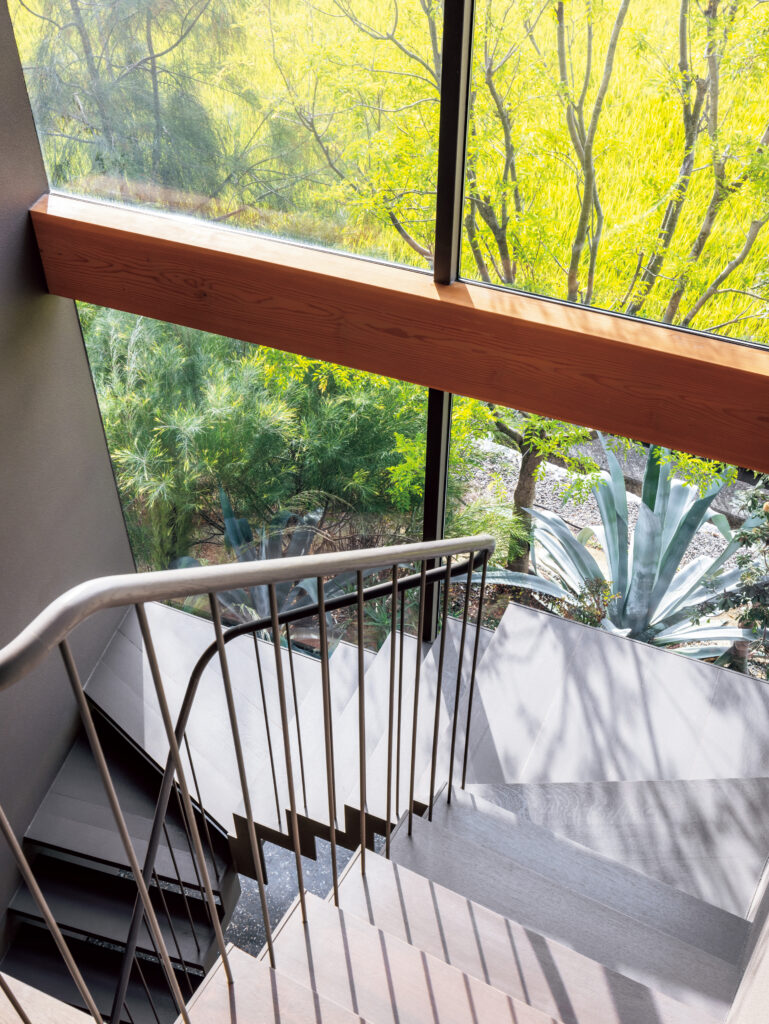
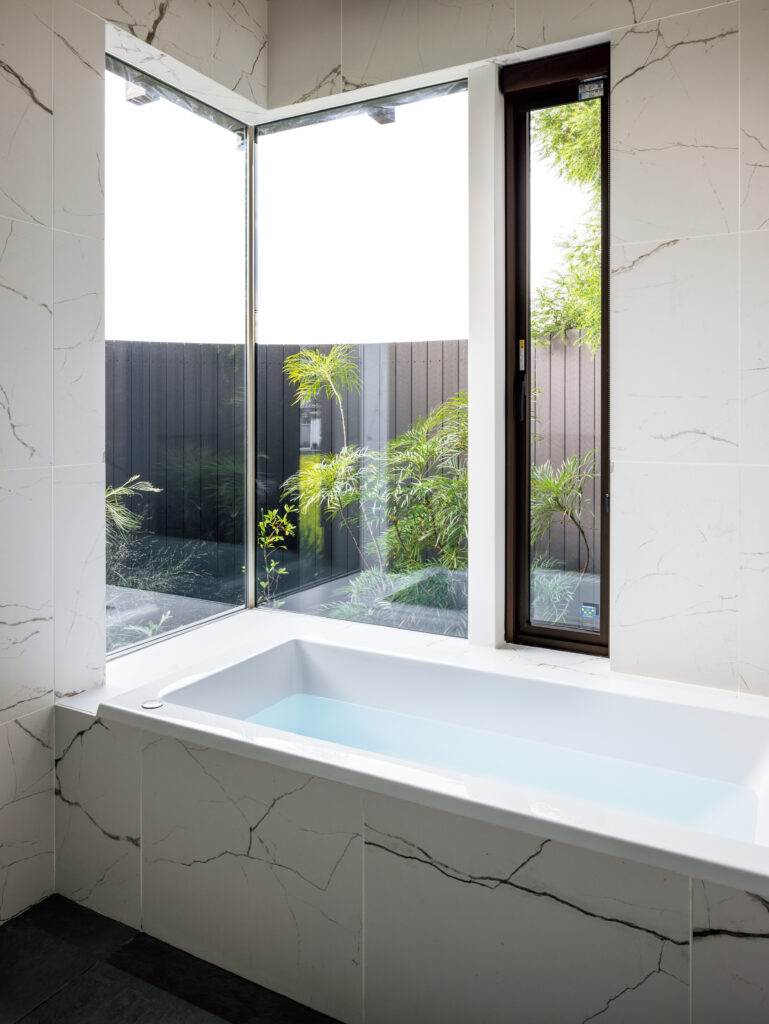
Rather than treating architecture, garden, and surrounding scenery as separate elements, the project integrates them into a single living environment. The rice field landscape is not merely borrowed scenery but becomes part of everyday life, creating a rich way of living where nature, family, and architecture are closely interwoven.
大阪・堺の水田風景に隣接する二世帯住宅である。東西に分断された敷地環境を建築と庭によって一体的な暮らしの風景として再構成し、家族の距離感を保ちながら、光・風・緑・眺望を暮らしの中へ取り込む住環境を実現した。
都市近郊では周辺環境との関係を閉じながら成立する住宅が増えつつあるが、本計画地は大阪・堺の住宅地にありながら、西側に水田風景が広がる希少な環境を有していた。そこで住宅を単独の閉じた器としてではなく、周辺風景を暮らしへ取り込む媒介として捉え、親世帯と子世帯が共に暮らす二世帯住宅として、適切な距離感と緩やかなつながりを両立することを目指した。
南北に細長い敷地に対して複数のボリュームを角度を振りながら配置し、その間を接続することで、光や風、視線が抜ける立体的な空間構成を計画している。特に東側のアプローチから西側の水田へと視線が抜ける軸線を建築内部へ取り込み、分断されていた外部環境をひとつの風景として統合した。また、約6mの大開口を実現するために門型フレームを採用し、構造合理性と開放性を両立するとともに、建築設計と並行して植栽計画を行い、環境条件に応じた樹木や草花を配置することで、時間とともに成熟する風景を育んでいる。
建築・庭・周辺風景を別々に扱うのではなく、一体の生活環境として統合することで、水田風景を単なる借景ではなく日常の暮らしの中へ取り込み、自然・家族・建築が重なり合う豊かな暮らしを実現している。
SPEC
Location: Osaka, Japan
Program: Two-family home
Architect: IKAWAYA Architects
Structural Engineer: Kenichi Inoue Structural Design Office
Mechanical Engineers: Zo Consulting Engineers
Garden Design & Construction: SOLSO
Site Area: 544sqm
Floor Area: 282sqm
Completion: April2023
Photography: Nacása & Partners
所在地:大阪府堺市
用途:二世帯住宅
建築設計:IKAWAYA建築設計
構造設計:井上健一構造設計事務所
設備設計:ZO設計室
庭園設計:SOLSO
敷地面積:544m2
延床面積:282m2
竣工:2023年4月
写真:Nacása & Partners
SUIDEN House
建築と庭がつなぐ、水田風景の暮らし
大阪・堺の水田風景に隣接する二世帯住宅である。東西に分断された敷地環境を建築と庭によって一体的な暮らしの風景として再構成し、家族の距離感を保ちながら、光・風・緑・眺望を暮らしの中へ取り込む住環境を実現した。
都市近郊では周辺環境との関係を閉じながら成立する住宅が増えつつあるが、本計画地は大阪・堺の住宅地にありながら、西側に水田風景が広がる希少な環境を有していた。そこで住宅を単独の閉じた器としてではなく、周辺風景を暮らしへ取り込む媒介として捉え、親世帯と子世帯が共に暮らす二世帯住宅として、適切な距離感と緩やかなつながりを両立することを目指した。
南北に細長い敷地に対して複数のボリュームを角度を振りながら配置し、その間を接続することで、光や風、視線が抜ける立体的な空間構成を計画している。特に東側のアプローチから西側の水田へと視線が抜ける軸線を建築内部へ取り込み、分断されていた外部環境をひとつの風景として統合した。また、約6mの大開口を実現するために門型フレームを採用し、構造合理性と開放性を両立するとともに、建築設計と並行して植栽計画を行い、環境条件に応じた樹木や草花を配置することで、時間とともに成熟する風景を育んでいる。
建築・庭・周辺風景を別々に扱うのではなく、一体の生活環境として統合することで、水田風景を単なる借景ではなく日常の暮らしの中へ取り込み、自然・家族・建築が重なり合う豊かな暮らしを実現している。
SPEC
所在地:大阪府堺市
用途:二世帯住宅
建築設計:IKAWAYA建築設計
構造設計:井上健一構造設計事務所
設備設計:ZO設計室
庭園設計:SOLSO
敷地面積:544m2
延床面積:282m2
竣工:2023年4月
写真:Nacása & Partners
SUIDEN House
Living with the Rice Field Landscape through Architecture and Garden
This two-family residence is located beside a rice field landscape in Sakai, Osaka. The project reinterprets a site divided between east and west as a unified living landscape through the integration of architecture and garden, creating a home that embraces light, breeze, greenery, and distant views while maintaining an appropriate balance between the two households.
In suburban urban areas, houses are increasingly designed as self-contained environments with limited engagement with their surroundings. This site, however, offered a rare condition: despite being situated within a residential neighborhood of Sakai, it enjoys expansive views of rice fields to the west. Rather than treating the house as an isolated object, the design views architecture as a medium through which the surrounding landscape can become part of everyday life. As a residence shared by parents and their children’s family, the project also sought to balance privacy with connection, creating a comfortable relationship between the two generations.
The long north–south site is organized through a series of angled volumes connected to one another, forming a spatial composition that allows light, wind, and views to flow through the house. A visual axis extending from the eastern approach to the western rice fields is drawn into the interior, integrating the previously separated site conditions into a continuous spatial experience. A portal frame structure enables a six-meter-wide opening, achieving both structural efficiency and spatial openness. Landscape design was developed in parallel with the architecture, with trees and planting selected according to environmental conditions to cultivate a landscape that will mature over time.
Rather than treating architecture, garden, and surrounding scenery as separate elements, the project integrates them into a single living environment. The rice field landscape is not merely borrowed scenery but becomes part of everyday life, creating a rich way of living where nature, family, and architecture are closely interwoven.
SPEC
Location: Osaka, Japan
Program: Two-family home
Architect: IKAWAYA Architects
Structural Engineer: Kenichi Inoue Structural Design Office
Mechanical Engineers: Zo Consulting Engineers
Garden Design & Construction: SOLSO
Site Area: 544sqm
Floor Area: 282sqm
Completion: April2023
Photography: Nacása & Partners